OpenAI Eyes Chrome as a Cornerstone of AI’s Future
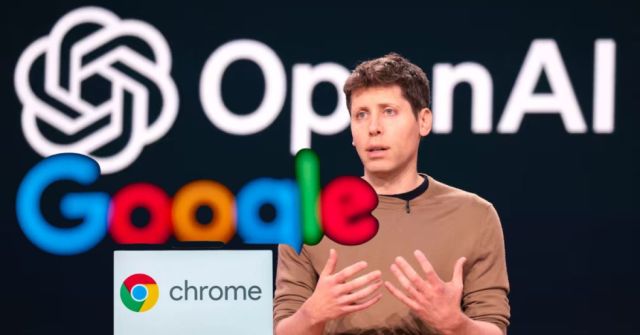
OpenAI Would Consider Acquiring Chrome If Google Is Forced to Sell
In the midst of an antitrust trial, OpenAI has signaled its interest in acquiring Chrome should regulators compel a divestiture. Nick Turley, head of product at ChatGPT, argues that such an acquisition could fundamentally reshape the way users interact with artificial intelligence.

A Potential Merger That Would Transform Browsing and Artificial Intelligence
The recent testimony of Nick Turley, head of product at ChatGPT, has sent a remarkable signal through the technology world. Speaking during the antitrust trial brought against Google, Turley revealed that OpenAI would be interested in acquiring Chrome should the U.S. Department of Justice proceed with its proposed divestiture to restore competition in the search market. In an environment where Google controls approximately 66.17% of the global browser market — according to Statcounter GlobalStats — such an acquisition would not merely strike at Google’s dominance. It could fundamentally alter the way users access and engage with artificial intelligence online.
The logic behind this audacious move is that integrating ChatGPT at a deeper level than its current Chrome extension could deliver a browsing and conversational experience without precedent. Turley ventured that “a truly exceptional experience could be delivered if ChatGPT were integrated with Chrome” — a statement that suggests the convergence of both products could produce an advanced solution for information access and virtual assistance, embedded within a platform already trusted by hundreds of millions.
Democratizing Access to Artificial Intelligence
Turley also addressed the access challenges OpenAI currently faces in the search technology landscape. Despite an existing agreement to integrate ChatGPT into Apple devices, the absence of comparable partnerships with Android smartphone manufacturers remains a significant obstacle. Google currently pays Samsung to have its AI application, Gemini AI, preinstalled on its devices — a strategic move OpenAI has been unable to match economically. Turley was candid: “not for lack of trying,” he said, a phrase that lays bare the fierce competition now defining the artificial intelligence arena.
Should OpenAI succeed in taking the reins of Chrome, the company could dismantle its current distribution barriers while simultaneously democratizing access to its technology at a scale previously out of reach. The implications would be sweeping — enabling users not merely to consume information, but to engage far more deeply with artificial intelligence as an integral part of their daily lives.



 '
'