A Historic Blackout

Spain, Portugal, and Parts of France Plunged into One of the Most Severe Blackouts in Recent Memory
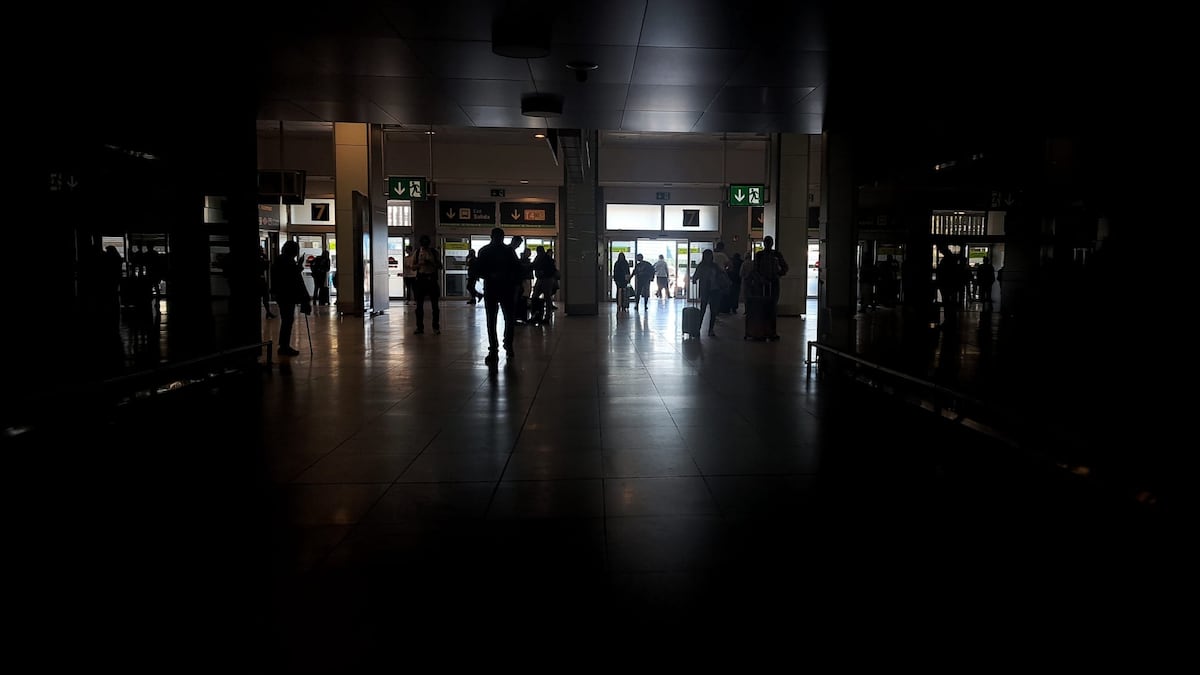
On Monday at midday, an unprecedented power failure plunged Spain and Portugal into a sweeping blackout. The outage lasted for hours, affecting millions and delivering a critical blow to telecommunications, public transportation, road infrastructure, and essential services including hospitals and airports. Both governments moved swiftly to convene emergency cabinets, even as the cause remained firmly in the realm of speculation.
Red Eléctrica Española (REE), the body responsible for managing and transmitting electricity across the country, described the event as “absolutely exceptional,” noting that nothing comparable had been recorded in Spain’s recent history. Initial estimates suggested that full restoration of service could take between six and ten hours; in Portugal, however, the situation proved more complicated, with projections extending to as long as a week. The complexity of the event demanded a careful rebalancing of electrical flows at the international level.
Several hypotheses are being examined to determine the cause. Spain’s National Cryptologic Center is investigating the possibility of a cyberattack, while the European Commission, represented by Vice President Teresa Ribera, has thus far ruled out that scenario, assuring the public that authorities in both countries are working in close coordination. For its part, REN (Redes Energéticas Nacionais), Portugal’s grid operator, suggested the blackout originated in a failure on the Spanish network — one triggered by extreme temperature fluctuations in the country’s interior. That phenomenon, it is theorized, generated atmospheric oscillations that disrupted high-voltage transmission lines.
The economic consequences are expected to be substantial. The supply interruption affected households, businesses, and essential sectors alike. Spain’s rail network bore a heavy impact, with medium- and long-distance services suspended across the country. In this context, Spain’s nuclear plants declared a precautionary emergency alert following the loss of external power supply, though diesel backup generators ensured continued operational safety at all facilities. On a more reassuring note, Enagás, the operator of Spain’s gas system, confirmed that natural gas supply had not been affected by the outage.
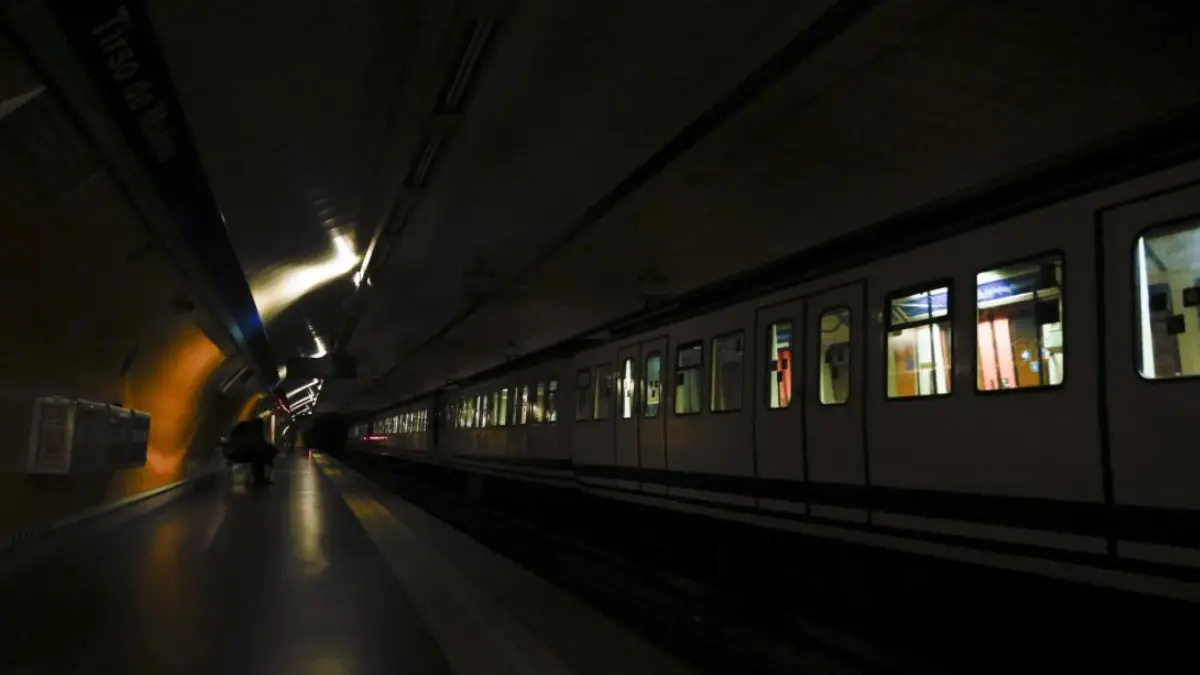
As the hours progressed, the Spanish government, led by Pedro Sánchez, convened an extraordinary session of the National Security Council. Civil protection level 3 was activated in several regions, enabling the central government to assume direct crisis management. While no serious civil protection incidents were reported, the prime minister reiterated that no definitive conclusions had been reached regarding the cause, and that no hypothesis had been ruled out. The importance of interconnections with France and Morocco in facilitating the gradual restoration of supply across Spain’s regions was underscored throughout.
As investigations deepen and the situation continues to unfold, the critical question is how both governments will act to prevent a recurrence on this scale. The stability of electrical infrastructure is not merely an economic imperative — it is foundational to public trust in the management of crises that, however extraordinary, are an inescapable reality of the interconnected world we inhabit.
The return to normalcy will be a gradual process — one that demands rigorous examination and clear structural adjustments to ensure that, in the future, a blackout of this magnitude remains nothing more than a footnote in the electrical history of Spain and Portugal.



 '
'