INSIDE THE MIND OF POWER
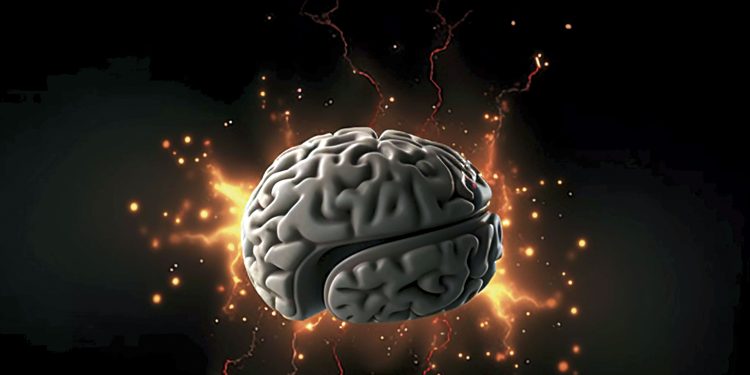
It is not the size of the investment, the scale of the offices, or even the initial fortune that distinguishes those who build business empires. It is the way they think. In the world of business, there are those who react to the present — and those who design the future.
None of this is innate. It is trained. The mindsets of the great CEOs are habits cultivated with discipline, purpose, and humility. If you want to build something lasting, begin by training your mind. This article maps the mental frameworks behind decisions that appear deceptively simple — yet have redrawn entire industries. Men and women who do not merely run companies: they reinvent them.
- Long-Term Thinking: Vision as Strategic Compass
Jeff Bezos once said he made decisions thinking about the next three years, not the next three months. This orientation defines the great leaders: they think long-term but act with urgency. While most executives navigate by quarterly results, the true architects of enduring success chart routes built for permanence.
How many of your decisions are made to survive — and how many to leave a legacy? What would happen if you redesigned your strategy around a ten-year horizon?
- Antifragility: Growing Through Chaos
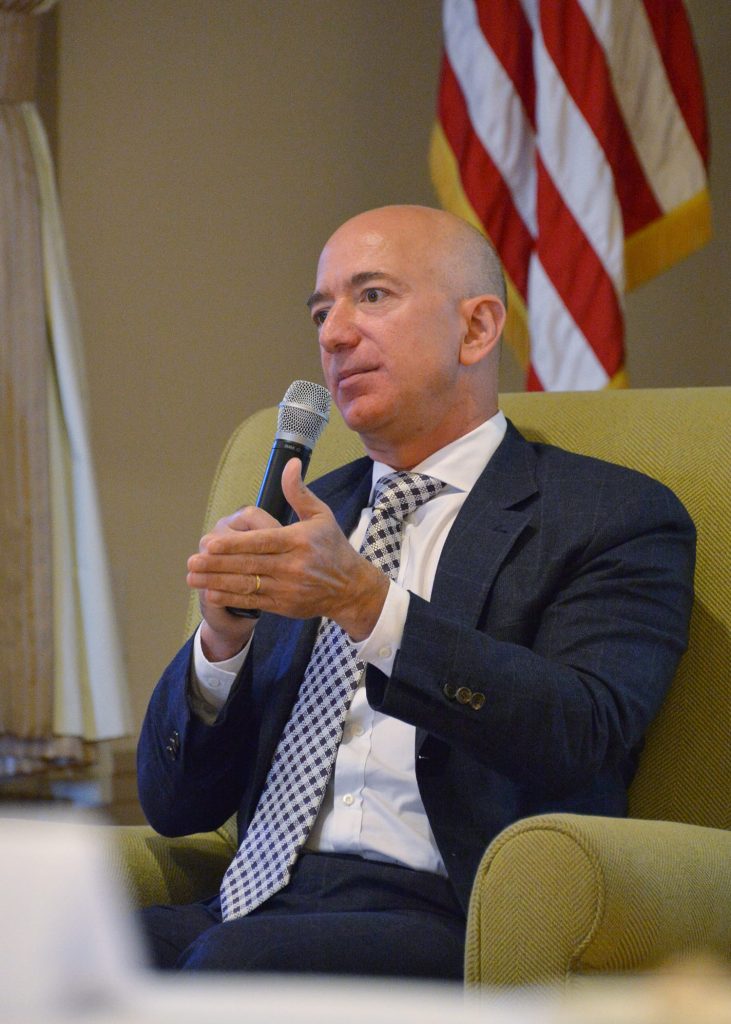
Reed Hastings, co-founder of Netflix, did not merely withstand change — he anticipated it. He dismantled his own DVD model to bet on streaming when few could imagine its potential. He once observed: “Most ideas will seem crazy, stupid, and uneconomical — until they turn out to be right.”
The great CEOs do not fear chaos. They are not fragile: they are antifragile. They treat crisis as a laboratory and error as the seed of innovation. Who dares to risk something that works? Those who are not content merely to survive — but determined to evolve.
What do you do with your failures? Do you conceal them, or convert them into lessons?
- Strategic Curiosity: Learning as Competitive Advantage
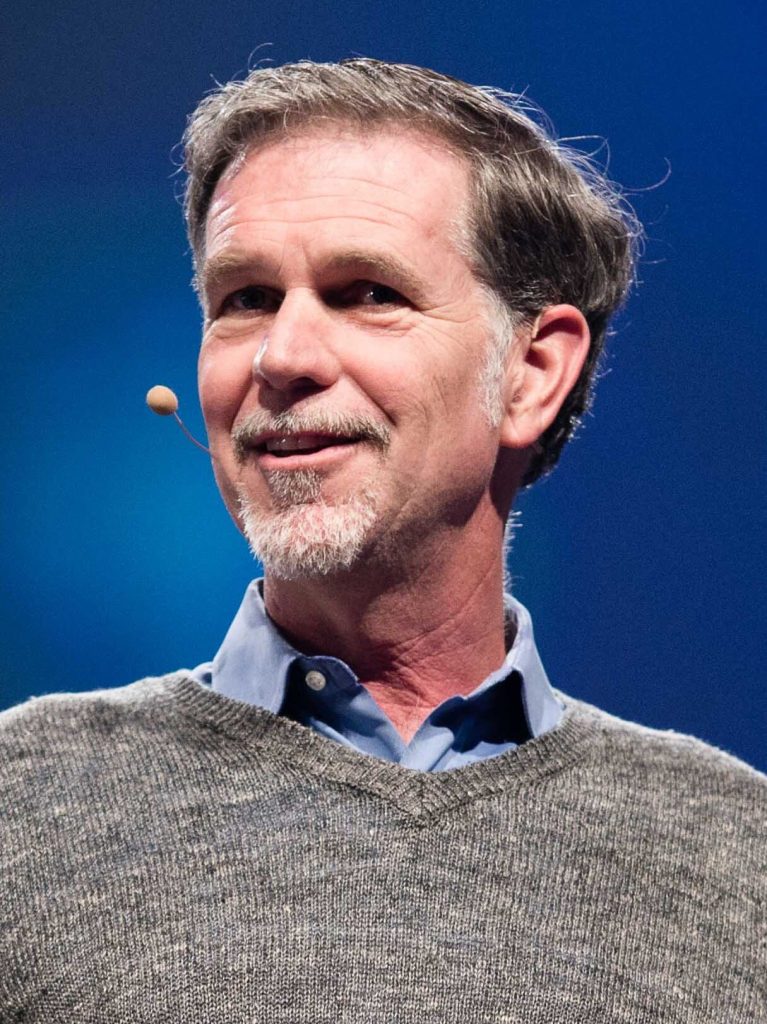
Bill Gates blocks out entire weeks to read. Satya Nadella, CEO of Microsoft, has made continuous learning the core of his leadership. Under his tenure, Microsoft recovered both its technological relevance and its cultural authority. “Curiosity allows us to see connections where others see only fragments,” he has said.
These leaders do not read as a habit of fashion. They read for survival. They connect history, psychology, and technology to make decisions of rare precision.
What are you reading today that prepares you for tomorrow?
- Tolerance for Failure: Reframing the Error
Sara Blakely, founder of Spanx, has long maintained that “you haven’t failed if you’ve learned.” Her own experience bears this out: from selling fax machines door to door to building a global brand, every step was a lesson in disguise.
A culture of fear suffocates companies. The leaders who build empires actively promote failure as an inevitable waypoint on the road to success.
Does your team have permission to fail?

- Laser Focus: Saying No as Strategic Discipline
Steve Jobs was unequivocal: “Deciding what not to do is as important as deciding what to do.” His legacy at Apple is defined as much by the products that never reached market — those that failed to meet his exacting minimalist vision — as by those that did.
Power also resides in the filter. Which causes you decline. Which clients you do not serve. Which meetings you do not need. Strategic clarity is born of the deliberate no.
Does your calendar reflect your priorities — or everyone else’s?

- Systems Thinking: Seeing the Forest and Its Roots
A great CEO identifies the roots, the climate, and the soil that make the forest grow. They understand that moving one internal variable can transform external perception. Their vision is not one of isolated parts — it is one of ecosystems.
Indra Nooyi, former CEO of PepsiCo, understood this when she prioritized healthier foods long before it became an industry trend. “A short-term financial decision can inflict lasting damage on a company’s reputation,” she warned.
Can you anticipate the consequences of your moves before you make them? Or do you see only the leaf — never the forest?


 '
'