MADRID, WHERE ART BREATHES FROM EVERY CORNER
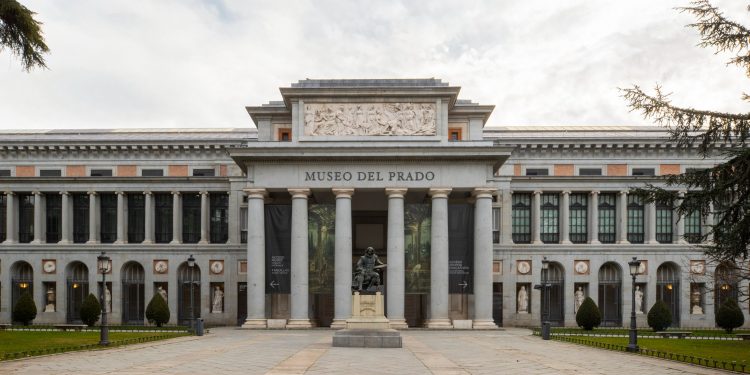
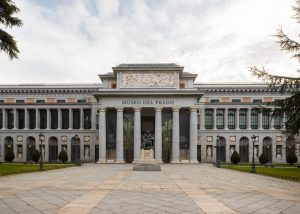
When considering art in Europe, Madrid is not simply on the map — it leads the route. Internationally recognized as the city of the “Paseo del Arte,” the Spanish capital is home to three of the most important museums in the world: the Museo del Prado, the Museo Nacional Centro de Arte Reina Sofía, and the Museo Thyssen-Bornemisza.
Madrid is a city where art is not merely exhibited — it is lived. In every neighborhood, in every historic corner, there is space to discover singular collections, innovative projects, and institutions dedicated to preserving, researching, and disseminating collective memory through art.
Madrid’s Paseo del Arte was declared a UNESCO World Cultural Heritage site in 2021, cementing the city’s standing as a global epicenter of both European and contemporary art.
This cultural axis — formed by the Prado, the Reina Sofía, and the Thyssen-Bornemisza — offers a singular experience: traversing centuries of Western art history in a matter of minutes on foot.
According to Spain’s Ministry of Culture and Sport, in 2023 these three museums together recorded more than five million combined visits — a figure that speaks to their weight not only in cultural terms, but in economic and touristic ones as well.
These numbers are no accident. They are the result of strategic management, well-defined cultural policy, and a clear commitment to accessibility, digital innovation, and arts education.
WHAT MAKES MADRID’S MUSEUMS UNIQUE?
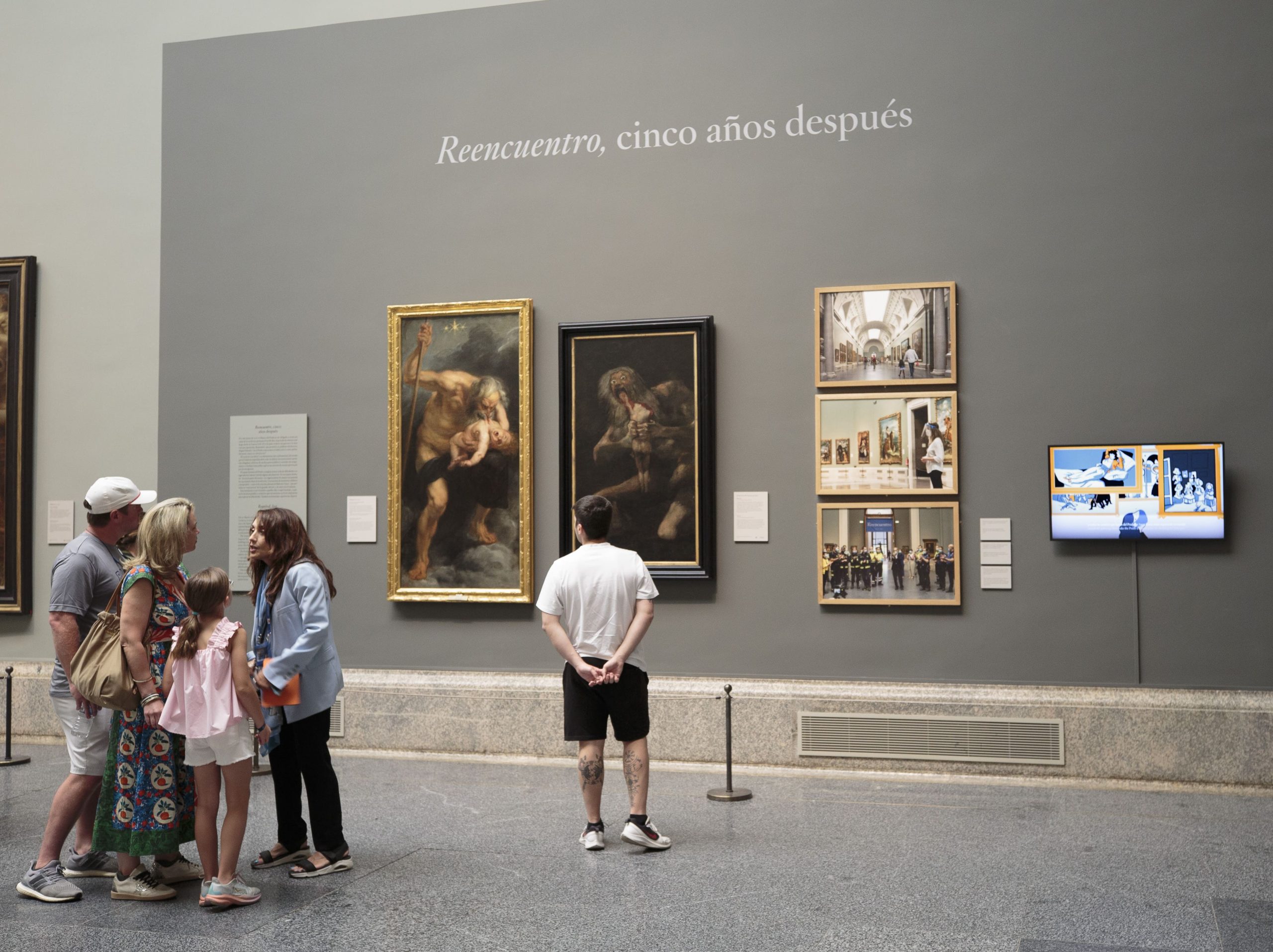
Madrid offers a diversity of cultural propositions that ranges from the monumental to the intimate, from the classical to the experimental. This plurality ensures that experts and curious visitors alike always find something new to discover.
Accessibility and Technology
Digital platforms, multilingual audio guides, interactive applications, and virtual exhibitions now make it possible to explore these collections without setting foot in the city.
Educational and Social Programming
From school workshops to inclusive programs for visitors with visual, auditory, or cognitive disabilities, Madrid’s museums are actively working to become genuinely transformative social spaces.
International Collaborations
Madrid’s cultural institutions maintain alliances with museums and universities around the world, facilitating loans, joint research, and temporary exhibitions that constantly enrich their permanent offerings.
NOT TO BE MISSED
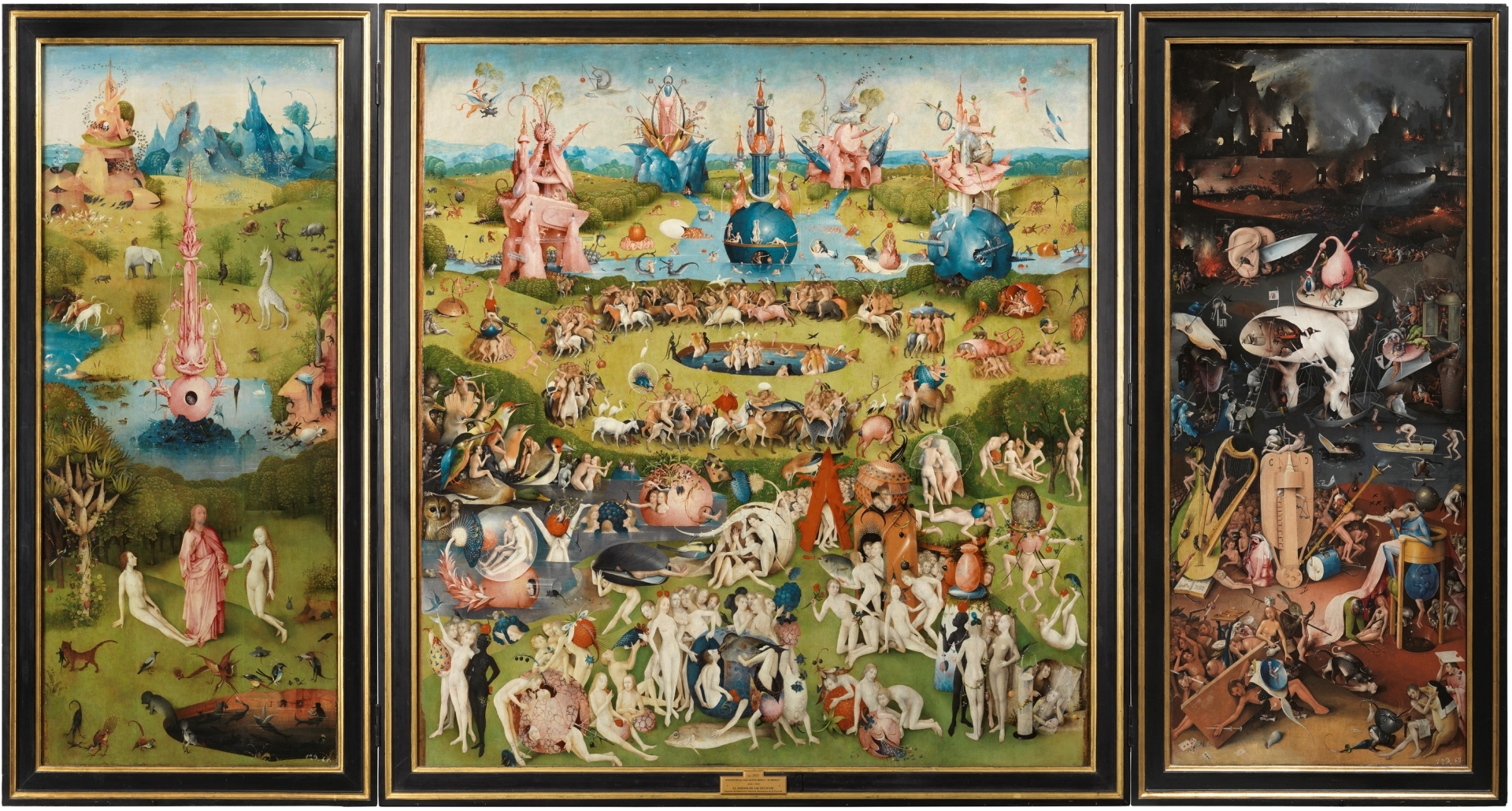
The Garden of Earthly Delights — Hieronymus Bosch (Museo del Prado)
Among the most enigmatic works in the history of art, The Garden of Earthly Delights is a triptych that resists any single interpretation. Created in the early sixteenth century, it is an explosion of imagination, symbolism, and moral critique. As part of the Museo del Prado’s collection — one of the most visited in the world — its recent restoration, funded through public resources and international partnerships, stands as a testament to how the stewardship of cultural heritage demands both strategic vision and global alliance.
Guernica — Pablo Picasso (Museo Reina Sofía)
No work captures the horror of modern warfare with greater force than Guernica. This monumental 1937 canvas was painted in direct response to the bombing of the Basque town during the Spanish Civil War — no color, no martial glory, only a scream rendered in black and white. Its presence at the Museo Reina Sofía not only consolidates Madrid’s standing as an epicenter of contemporary art; it establishes a profound parallel between historical memory and the social responsibility of cultural institutions.
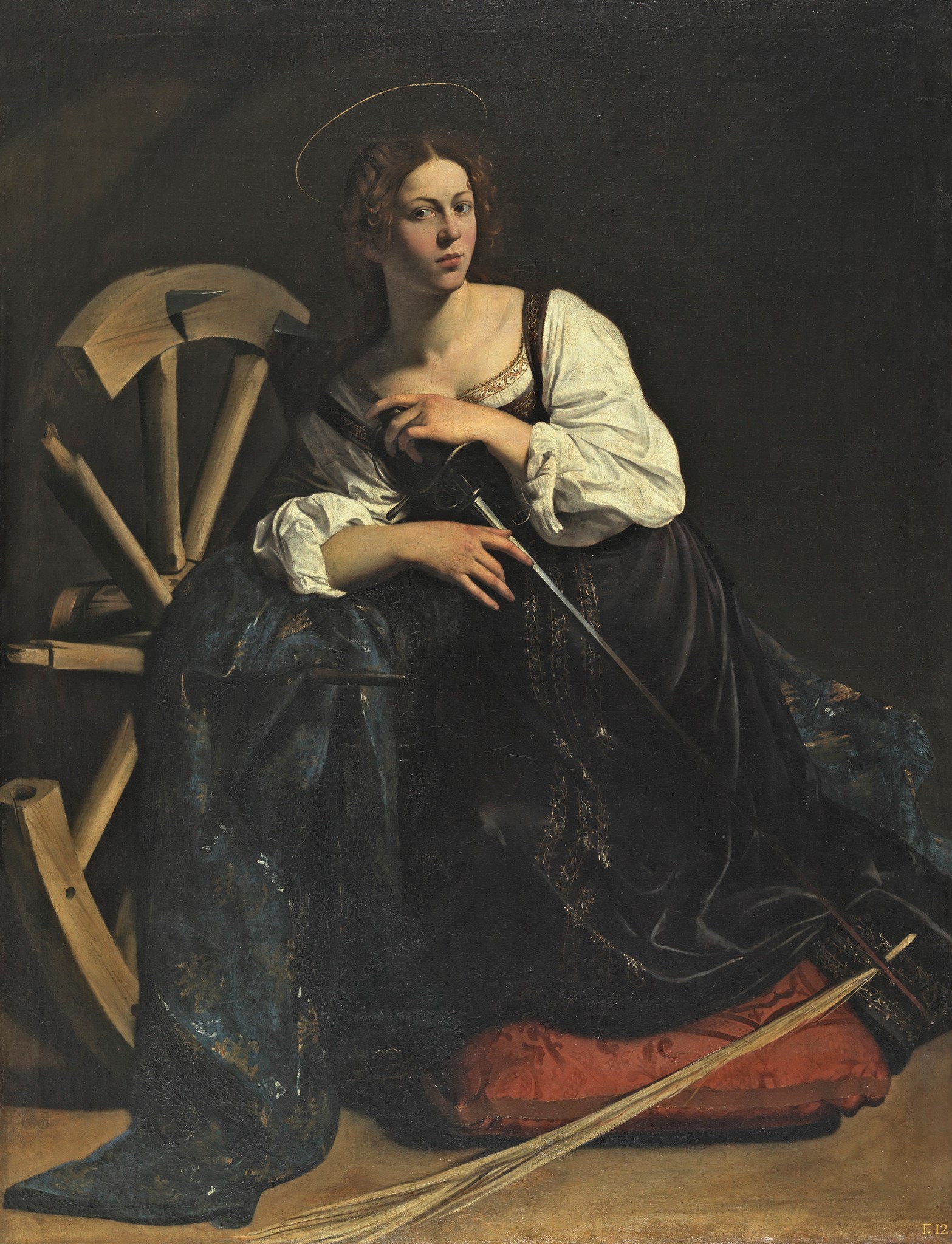
Saint Catherine of Alexandria — Caravaggio (Museo Thyssen-Bornemisza)
Dated to around 1598, this work is distinguished by its radical naturalism. The model has been identified as Fillide Melandroni, a celebrated courtesan of the period. Richly dressed as befits a princess and kneeling upon a cushion, she meets the viewer’s gaze directly. Saint Catherine appears with all the attributes of her martyrdom — the wheel with its blades, the sword by which she was beheaded, and the palm. Caravaggio’s light falls across the scene with characteristic drama, carving deep chiaroscuro that is unmistakably his own.

 '
'