Tokenized Gemstones: When Jewelry Becomes a Digital Asset
The jewelry market is undergoing a quiet transformation: the digitization of gemstones — diamonds, sapphires, emeralds — through blockchain technology. What once could only be secured in a physical vault is now backed by digital certificates that allow investors, collectors, and connoisseurs to trade and acquire with a single click.
Platforms in Geneva, Dubai, and Hong Kong already offer tokenized gemstones, where each NFT represents fractional or total ownership of a stone held in a high-security vault. The proposition combines exclusivity, traceability, and liquidity — three concepts that have historically existed in tension within the luxury market.

Blue Diamond
You may also enjoy: A FLIGHT OF HIGH JEWELRY
The advantage for the investor is twofold: access to a market that has historically been the preserve of a select few, and the ability to diversify without ever moving the physical pieces. A rare pink diamond, for instance, can be divided into 1,000 tokens — broadening the buyer base without diminishing the stone’s intrinsic value.
Firms such as Brilliant Earth and blockchain jewelry startups are driving this trend, drawing a younger, more technologically fluent audience into the luxury space — one prepared to see gemstones as something far beyond ornament: a digital asset with genuine appreciation potential.
The question is no longer whether jewelry belongs in a safe — but how it integrates into global portfolios that combine heritage, exclusivity, and technology.
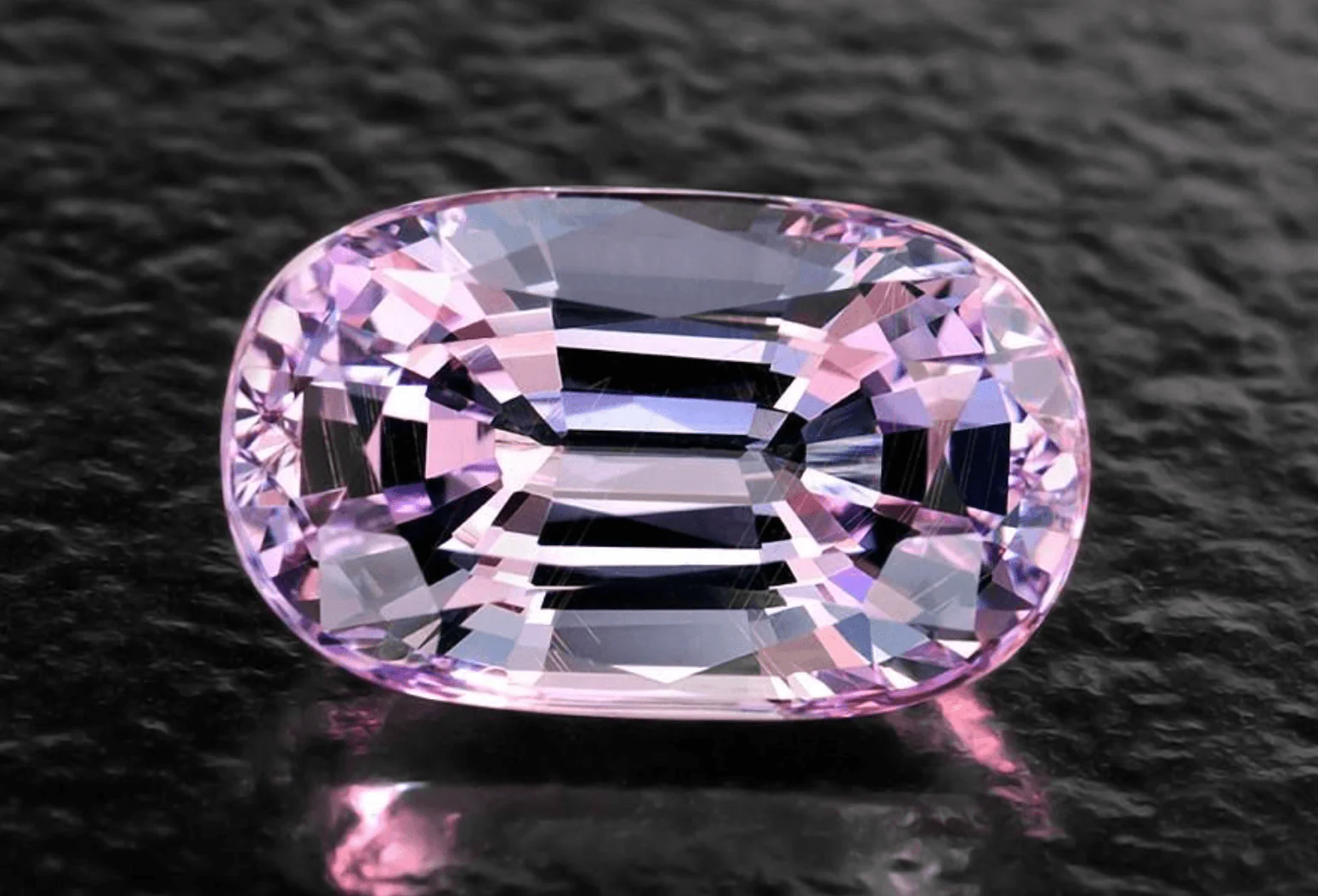
Taaffeite


 '
'