Día de Muertos: Mexico Lights Its Memory
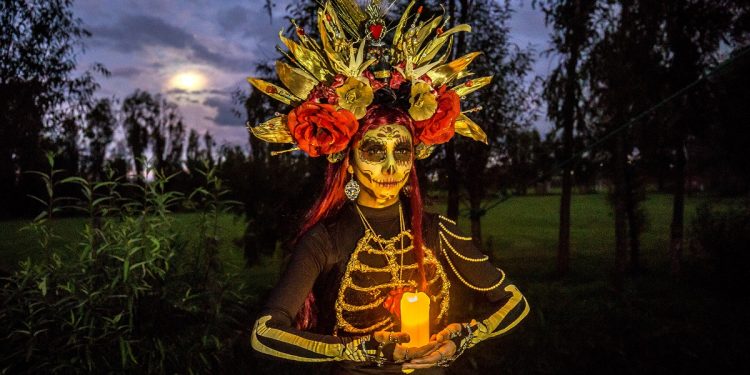
Mexico honors its dead through gratitude. Each year, the entire country transforms into a tapestry of flowers, light, and fragrance that celebrates the continuity of life. Streets, markets, and cemeteries fill with voices paying tribute to those who are gone, while homes erect altars where time appears to stand still. Día de Muertos is not an isolated ceremony — it is a national choreography that weaves together history, gastronomy, and folk art.
In Michoacán, Lake Pátzcuaro becomes a nocturnal mirror. Hundreds of candles float across the water, guiding the return of souls. The Purépecha communities prepare pan de muerto, tamales, atole, and seasonal fruit. In the cemeteries of Janitzio and Tzintzuntzan, families keep vigil through the night with music, prayer, and cempasúchil blossoms that perfume the cold air.
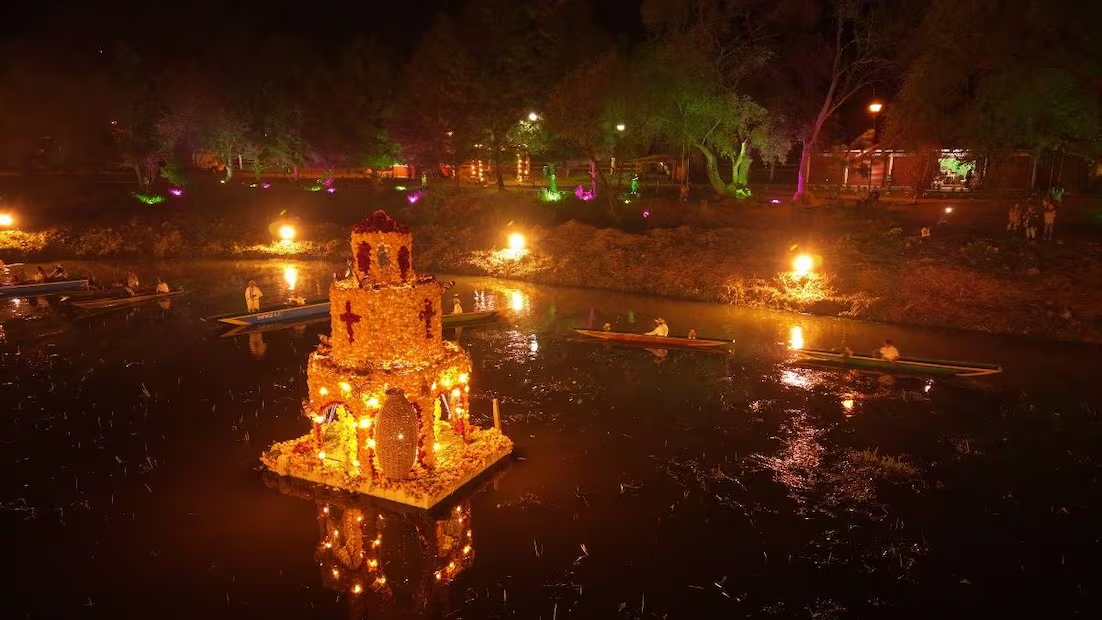
Lake Pátzcuaro, Michoacán
In Oaxaca, color reigns. Comparsas wind through the streets to the rhythm of banda, while altars overflow with mole negro, chocolate, and sugar skulls. In every home, the flame of a candle and the scent of copal mark the center of the tribute. It is a celebration in which the domestic becomes universal.
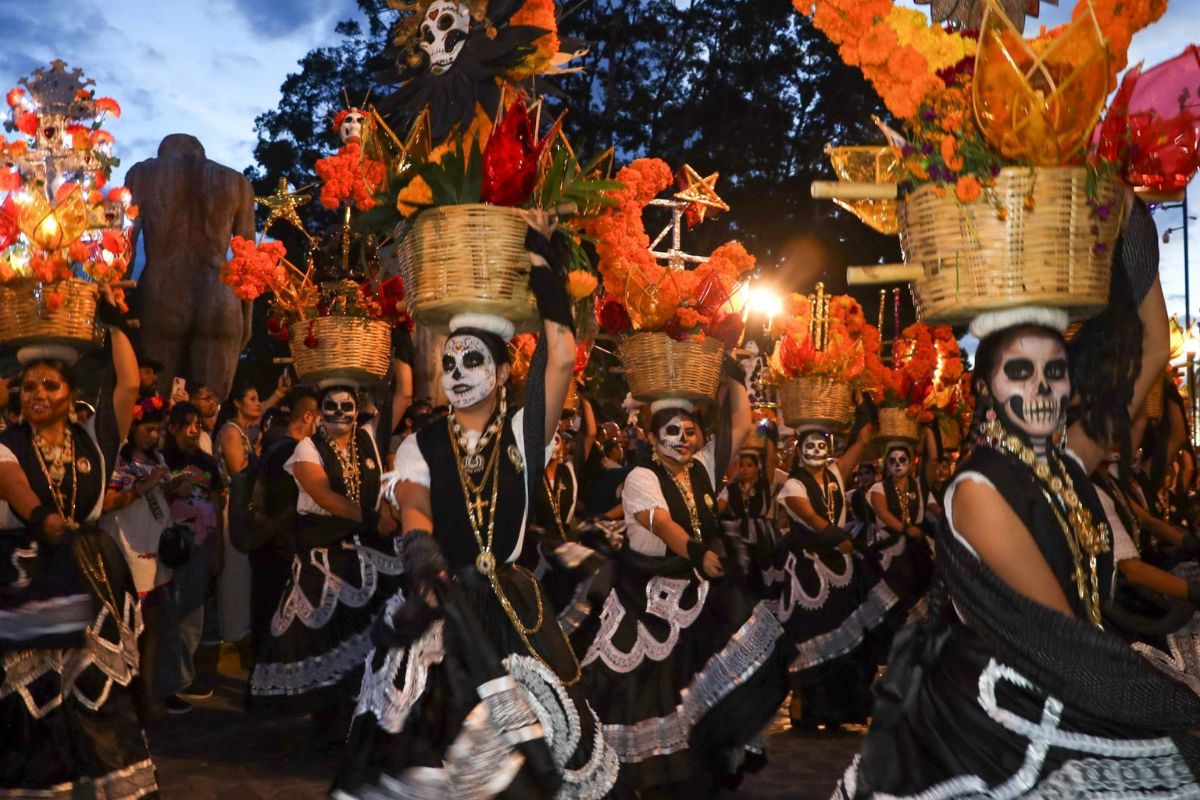
Las Comparsas, Oaxaca
Tlaquepaque adopts an urban and artistic expression. Amid galleries, adobe facades, and papel picado, tradition dresses itself in contemporary creation. Artisans’ workshops open their doors, courtyards become living exhibitions, and local flavors — pozole, birria, dulces de calabaza — are offered as part of the tribute.
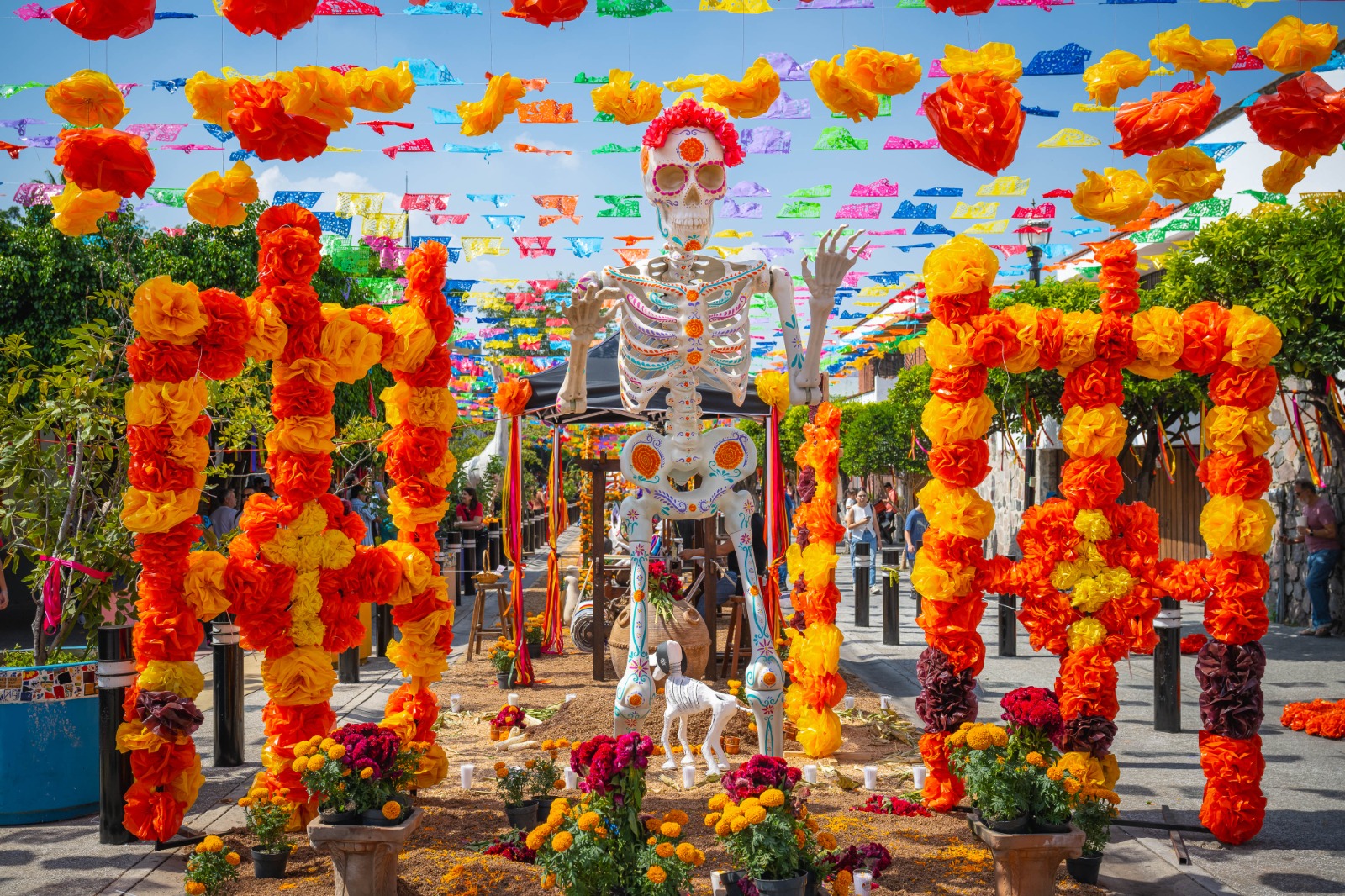
Tlaquepaque, Jalisco Pueblo Mágico.
In Mexico City, Xochimilco blooms on the water. Trajineras glide among offerings, music, and lit candles accompanying the Paseo de las Ánimas. The reflection of tradition across the canals is a reminder that memory, too, can float.
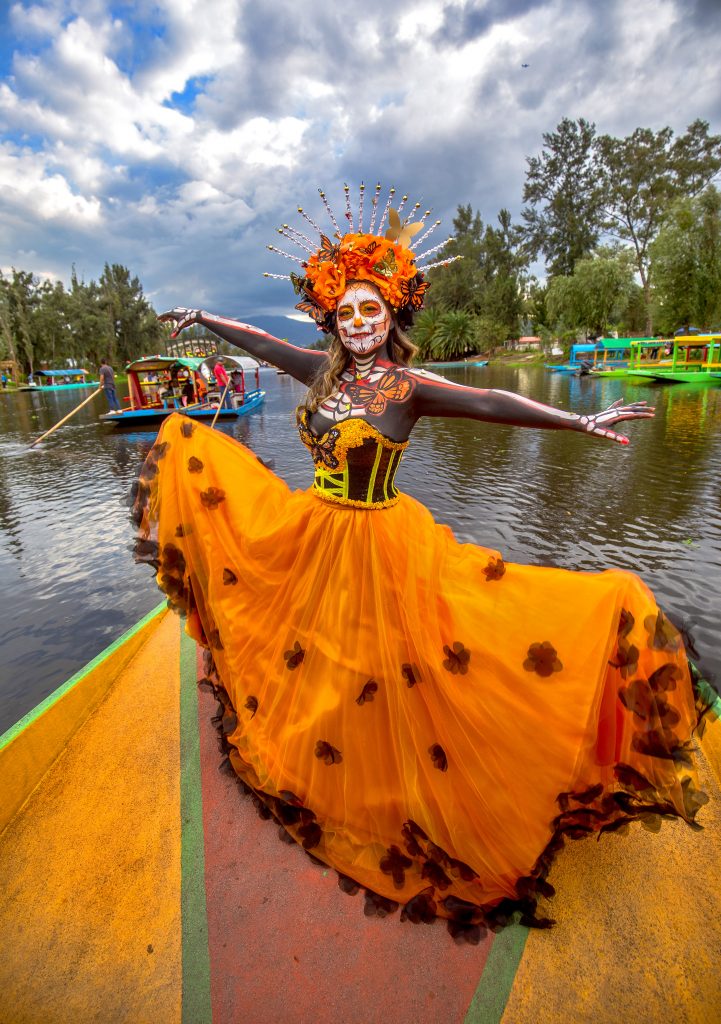
Catrina on a trajinera, Xochimilco, Mexico City.
Across every region, Mexico honors without solemnity — with a beauty that joins the sacred and the everyday. Death, here, is celebrated.
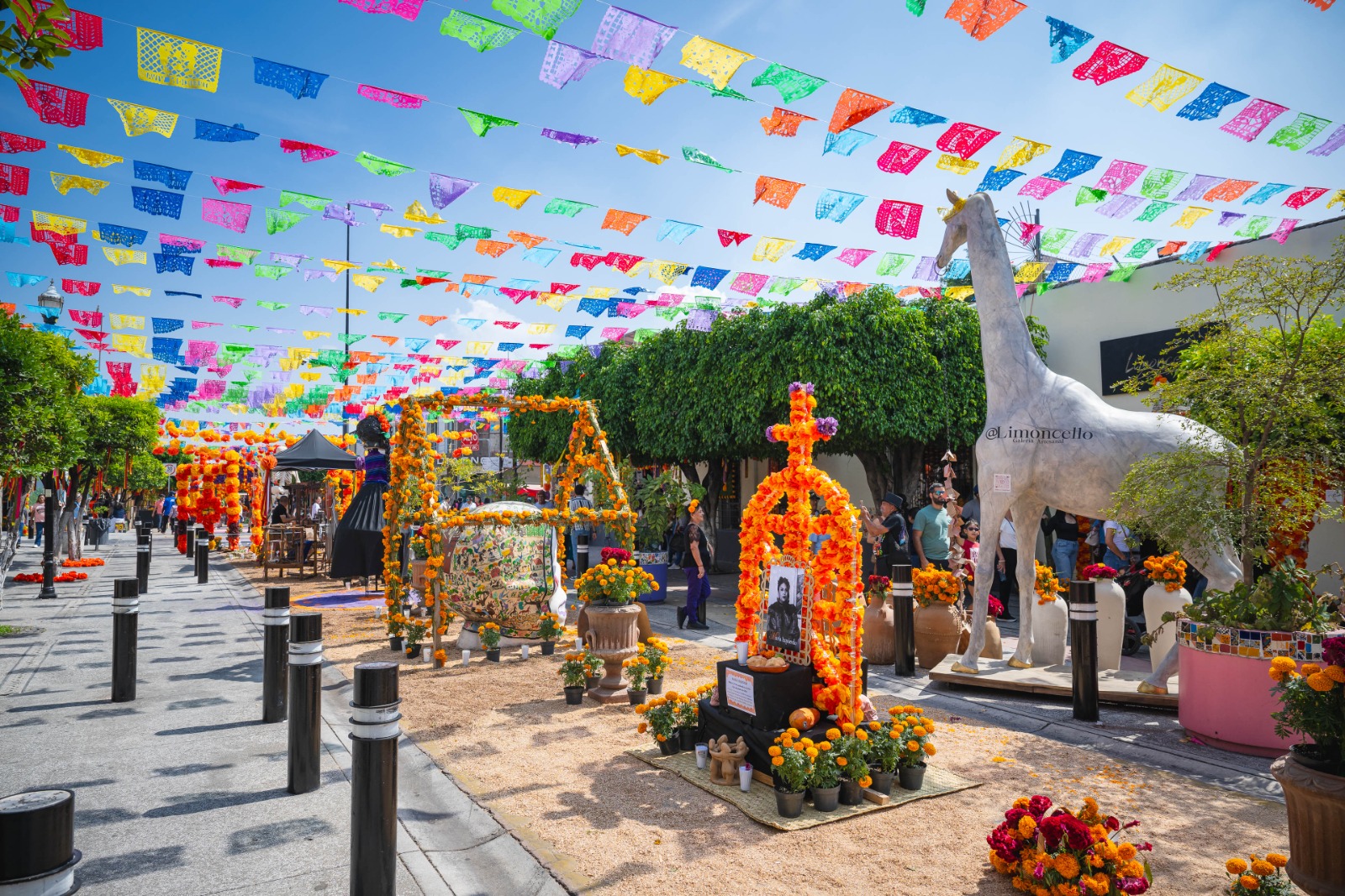
Tlaquepaque, Jalisco. Pueblo Mágico.


 '
'