Why Fencing Forges Leaders
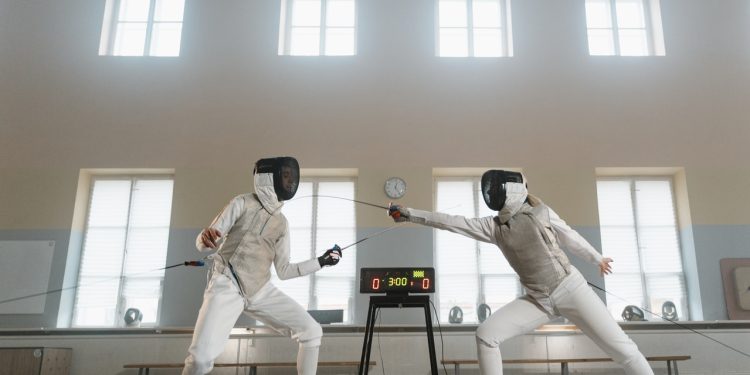
Fencing endures as a formative discipline because it demands precise thinking. Decision-making unfolds within a narrow margin — distance, timing, reading the opponent, and technical execution. That environment cultivates self-control, sustained attention, and tactical judgment: three qualities that, away from the piste, define leadership just as surely.

In this discipline, progress depends on measurable habits: repetition, correction, and consistency. The structure of training rewards operational calm and the ability to adjust under pressure. Over time, the fencer learns to manage energy and focus, to read signals, and to make decisions without noise. Fencing, properly taught, makes the link between discipline and performance visible.
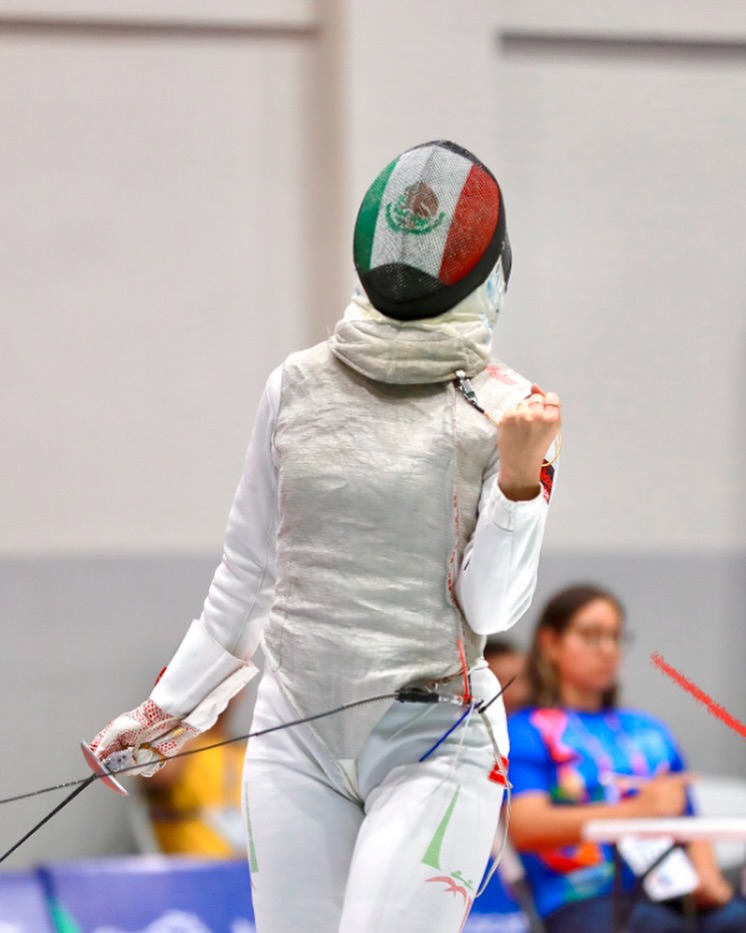
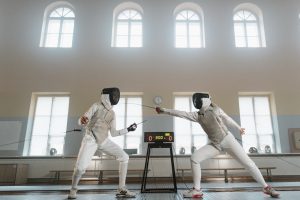
In Mexico, this culture is built primarily in private facilities that operate as dedicated salas de armas with rigorous processes. A direct example is La Esgrimería, in Mexico City, which offers training for all ages through programs ranging from introductory to advanced levels. Other private clubs maintain technically active communities, among them PUNTA Sala de Esgrima, a club specializing in Olympic weapons.
 The impact of this formative model is best understood through a concrete trajectory: Natalia Botello, one of Mexico’s most prominent fencing figures of the past decade. A medalist at the youth level with significant international results, her case illustrates what is essential: fencing is not built by seasons, but by long cycles of training, competition, and fine-tuned adjustment.
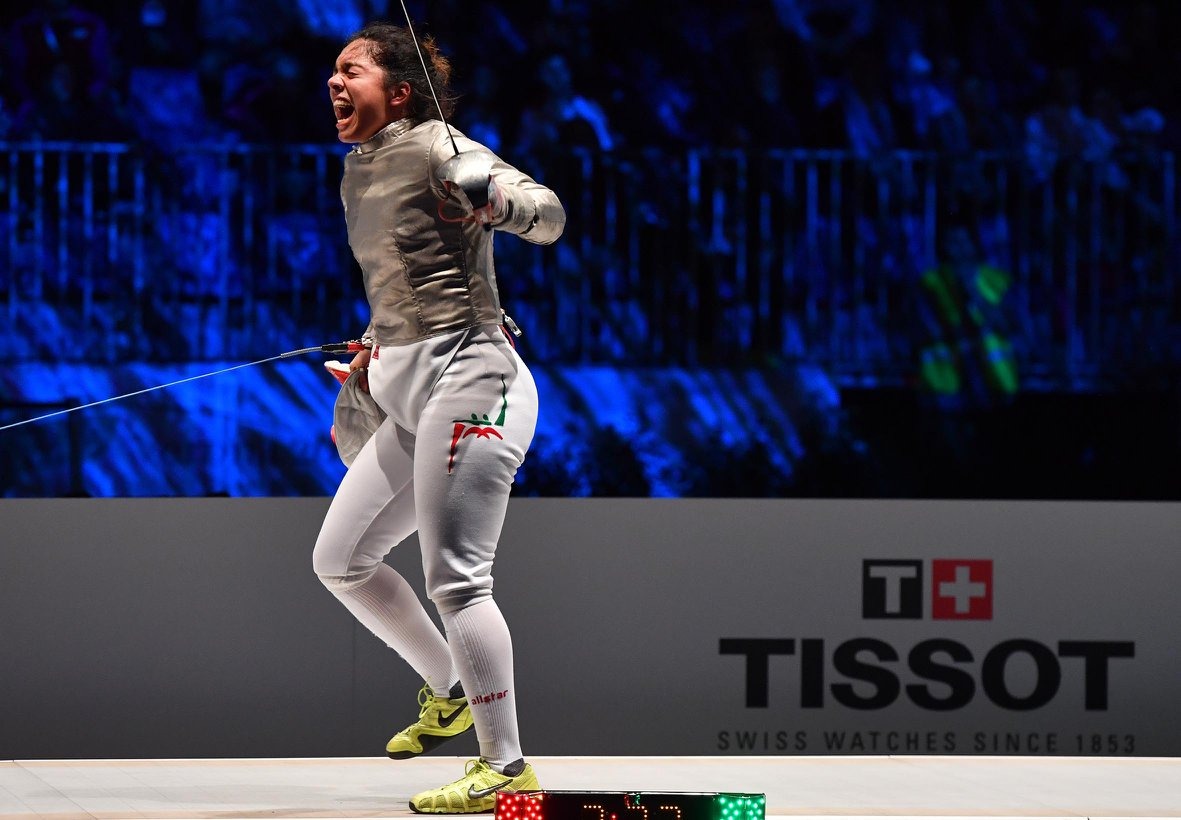
Natalia Botello
For families with an educational vision — and for executive profiles who prize precision and self-control — fencing remains relevant for one compelling reason: it converts pressure into method. And method into sustained results.
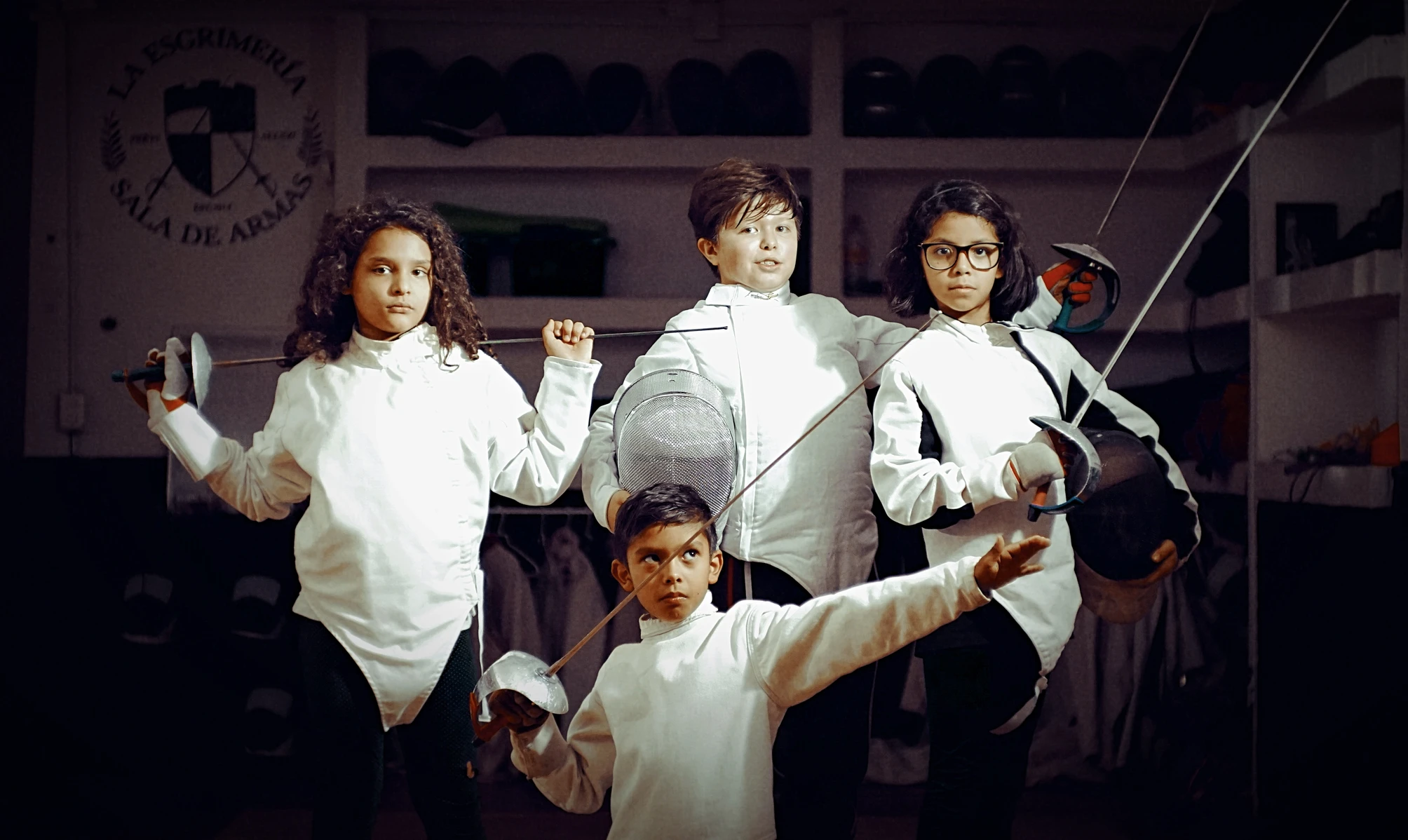
LA ESGRIMERÍA, SALA DE ARMAS


 '
'