When Fashion Returns to the Atelier
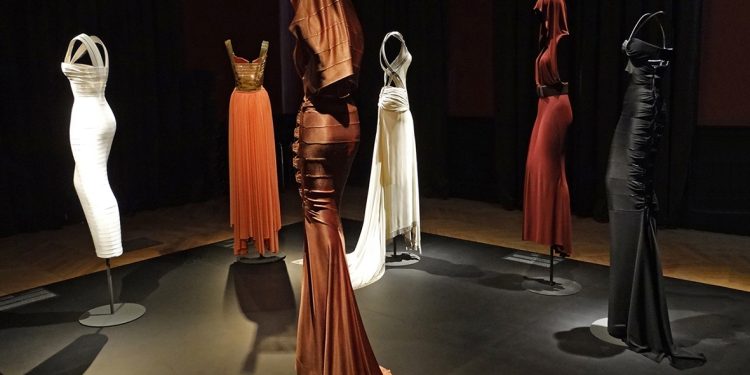
Fashion is undergoing a fundamental recalibration — one in which the atelier has reclaimed a central role. Not as symbolic gesture, but as an operational structure where technique, form, and creative judgment are defined.
At Maison Margiela, the atelier functions as an active laboratory. Its Artisanal line is built upon extreme manual processes: the deconstruction and reconstruction of garments, direct intervention on materials, and techniques that demand continuous decisions throughout execution. Each piece is the product of a specific process — one that precludes exact repetition and elevates method itself to the true creative axis.

Maison Margiela
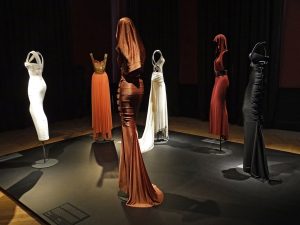
At Alaïa, the atelier has remained the nucleus of the creative process even after the passing of Azzedine Alaïa in 2017. Under current direction, the House preserves the practice of working directly on the body, with successive fittings that refine cut, tension, and structure. The garment is defined in real time — through the living dialogue between material and form.
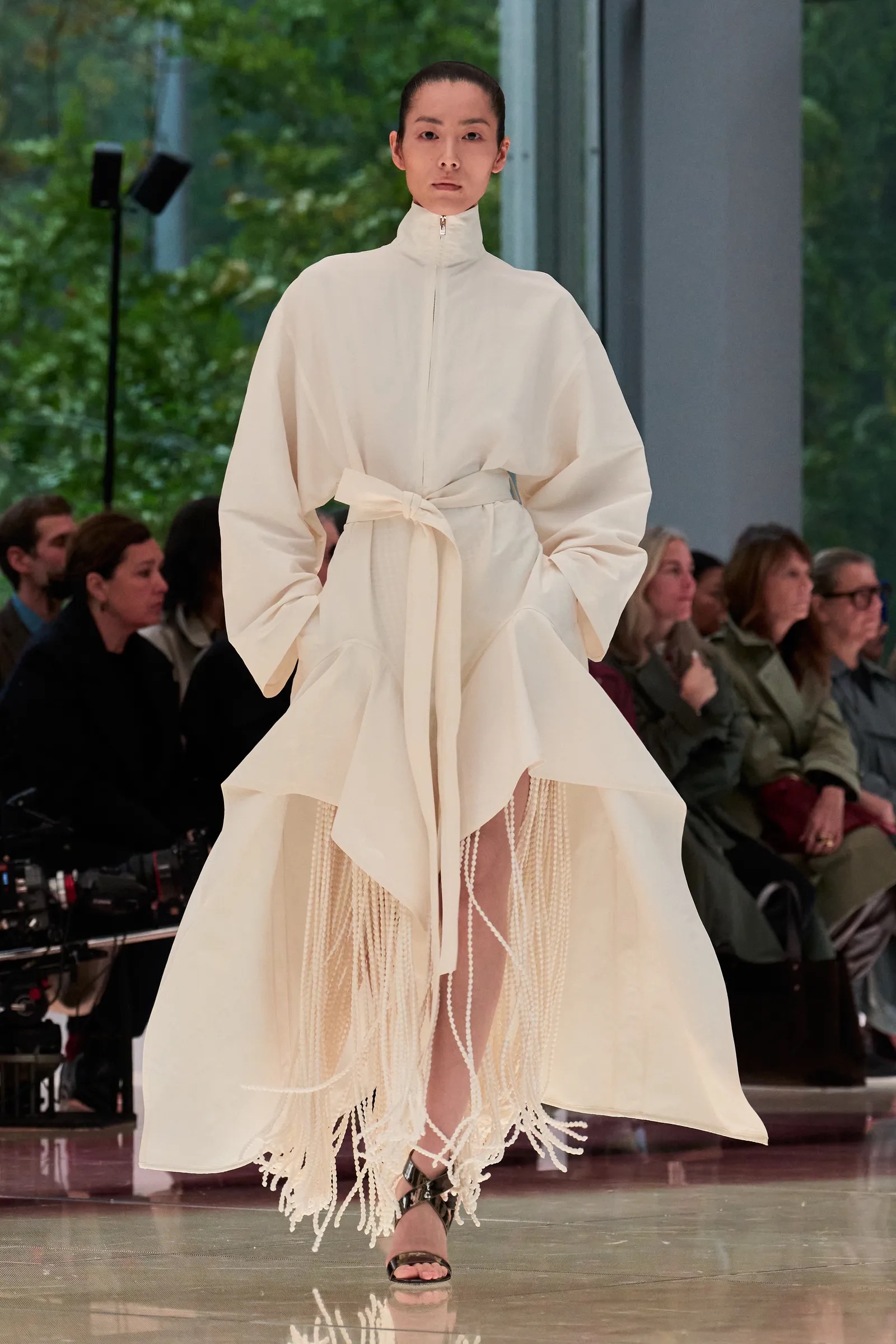
Alaïa
These ateliers share a common logic: time is the central resource. Hours of manual labor, decisions that resist automation, and a strictly limited number of skilled hands determine the scope of each piece. Production remains deliberately contained because the process demands nothing less.
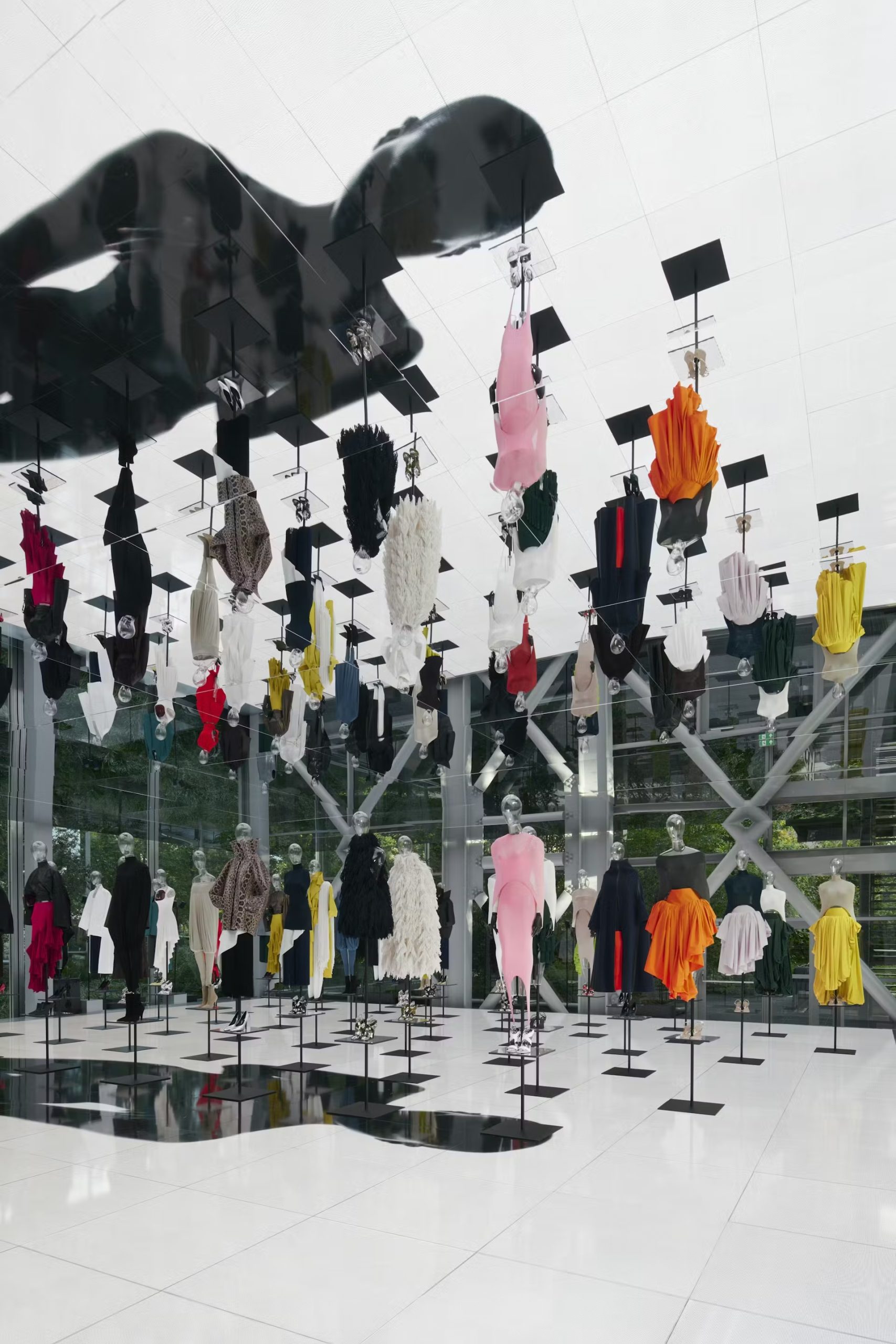
Alaïa
The atelier also preserves a form of knowledge that resists documentation. Knowing when to stop a seam, how to respond to the resistance of a fabric, or how to adjust a pattern mid-fitting — these are judgments that depend entirely on human discernment. That accumulated expertise makes craft a genuine asset.
Fashion looks to the atelier once more because that is precisely where its permanence is decided.
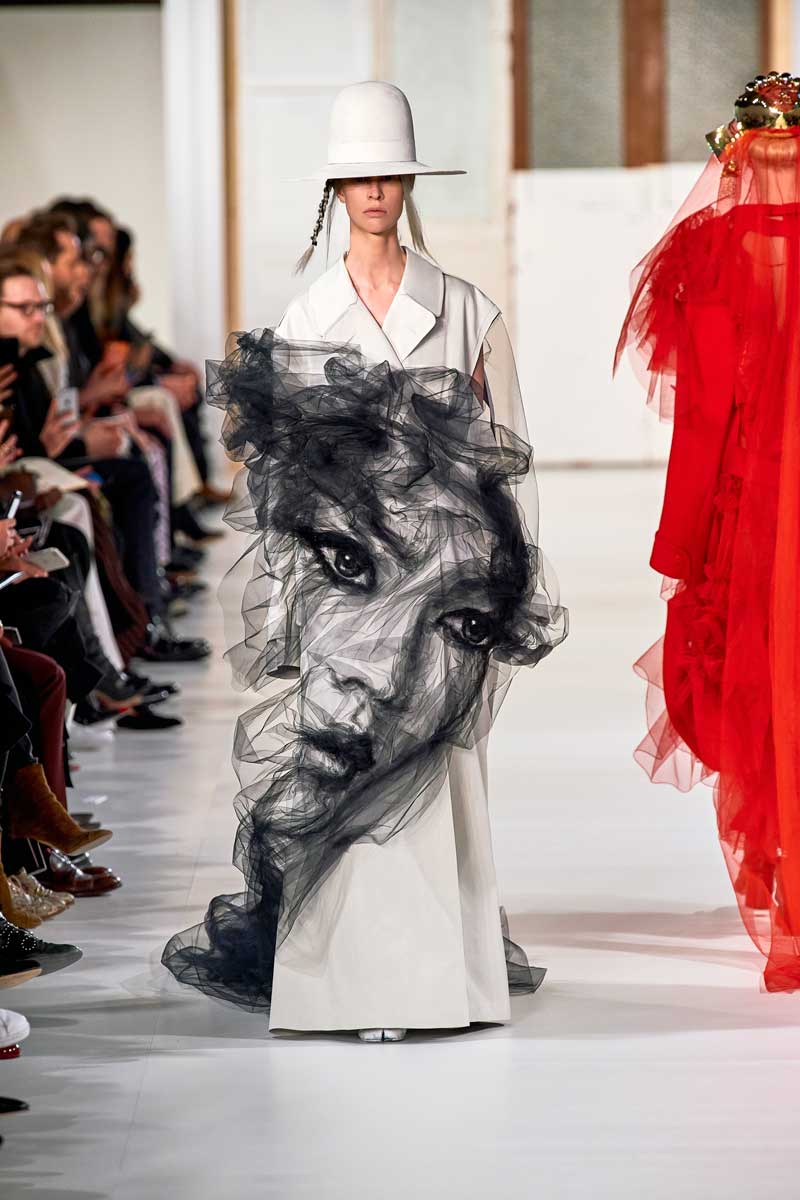
Maison Margiela


 '
'