Sport Fishing: A Fully Structured Industry
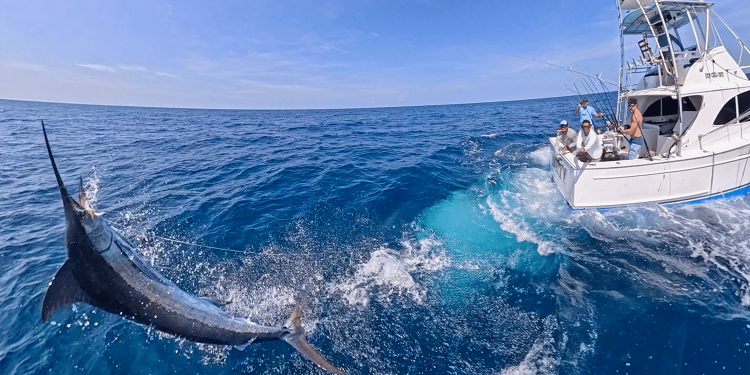
Sport fishing has consolidated into a complete economic system. In Mexico, the United States, and Spain, the sport articulates investment, regulation, anchor events, and specialized brands that transform the practice into an industry with its own logic and international reach.
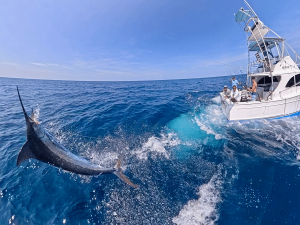
In the United States, the model operates at scale. Tournaments such as the White Marlin Open, held in Ocean City, Maryland, represent an ecosystem where competition, sponsorship, and specialized media converge. The East Coast — particularly Maryland and North Carolina — is home to shipyards such as Viking Yachts and Hatteras Yachts, the definitive benchmarks in high-performance offshore tournament vessels. Brands such as Garmin, YETI, and Shimano complete a well-oiled machine in which technology, equipment, and lifestyle sustain the sport’s ongoing professionalization.
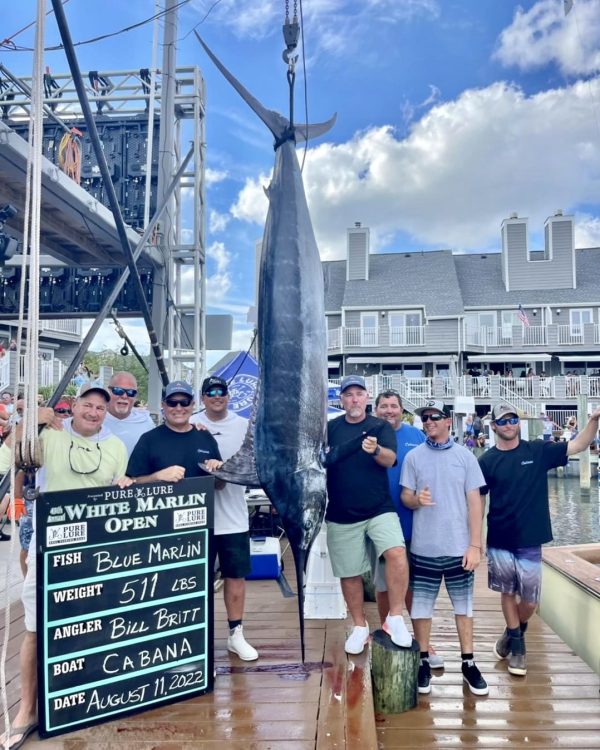
White Marlin Open.
Mexico structures its model around territory and experience. In Baja California Sur, Cabo San Lucas hosts Bisbee’s Black & Blue, the country’s most emblematic tournament and one of the most recognized in the world. The region concentrates a network of marinas, charter fleets, and specialized services that have made sport fishing a genuine driver of tourism. Vessels from Cabo Yachts operate alongside key infrastructure such as Marina Cabo San Lucas, the epicenter of the international circuit. On the water, brands such as Penn Fishing are standard equipment for deep-sea fishing. In Mexico, sport fishing is not merely competition — it is destination, hospitality, and economic impact.
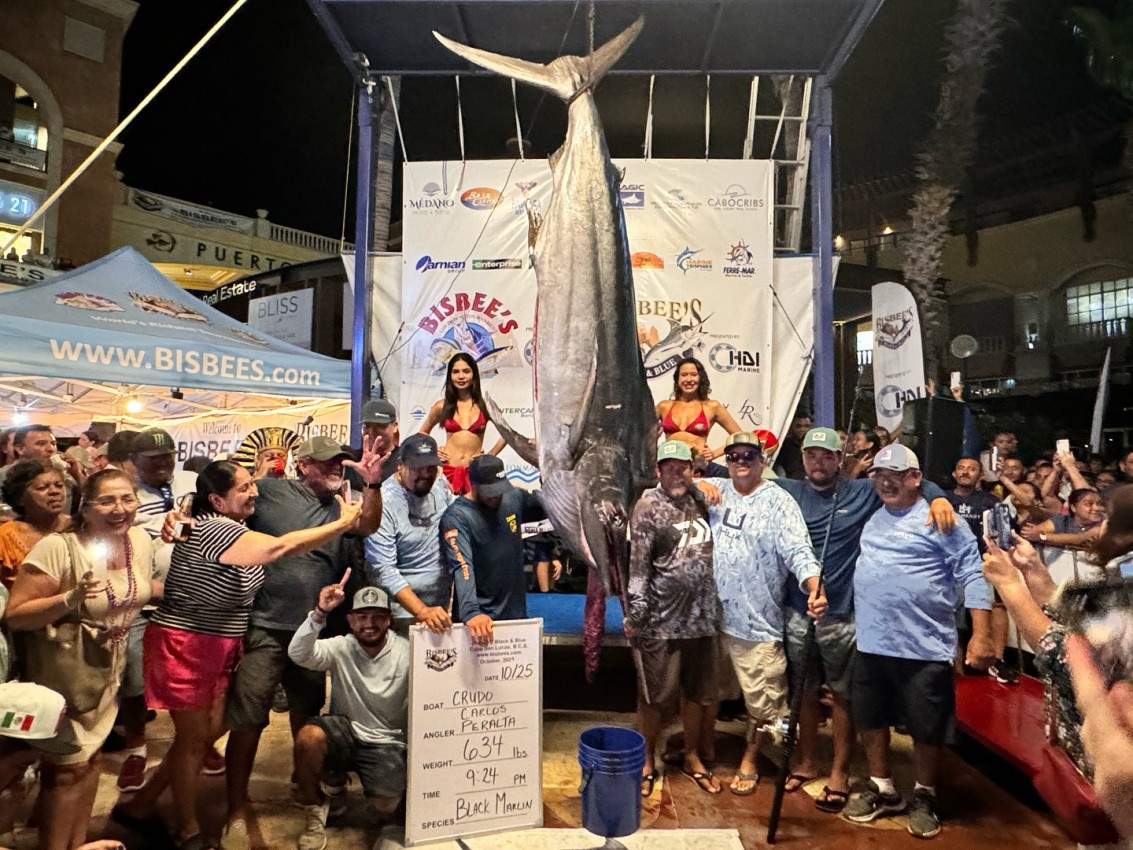
Bisbee’s Black & Blue
In Spain, sport fishing is governed by a more technical and regulated logic. The Puerto Calero Marlin Cup, held in the Canary Islands, has secured its standing as one of the country’s most recognized tournaments with genuine international reach. Under the framework of the Federación Española de Pesca y Casting, regions such as the Canary Islands and the Spanish Mediterranean concentrate clubs and marinas where discipline and oversight define competition. Professional navigation relies on technology from Simrad, while Mustad maintains a historic presence in tackle and equipment. The Spanish model prizes method, continuity, and respect for the environment.
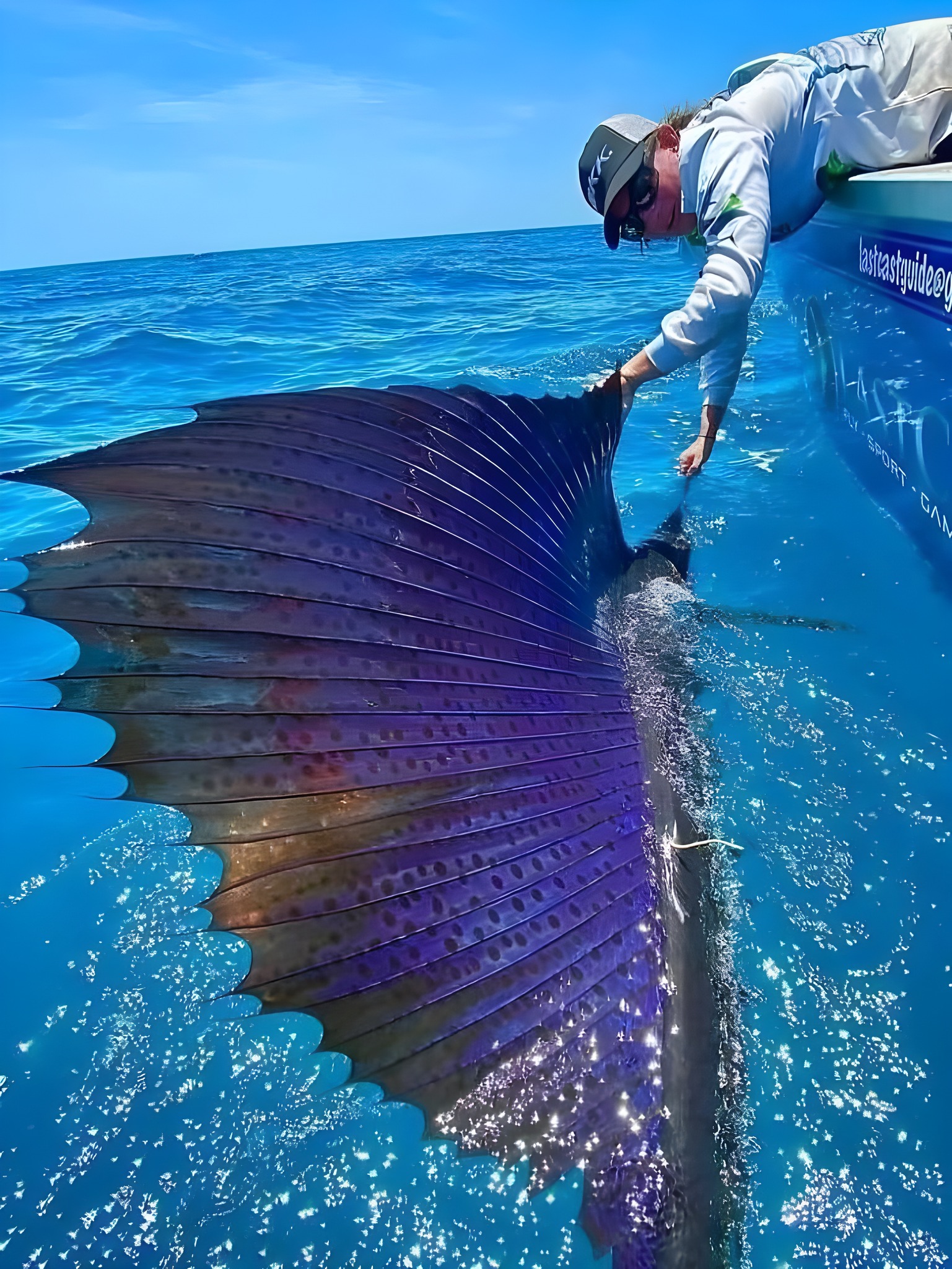
Three countries, three approaches. The United States leads by scale and capitalization; Mexico by geography, tourism, and international projection; Spain by method, regulation, and nautical culture. Together, they confirm a clear reality: sport fishing has become an industry in which the sea is managed with equal parts sporting vision and economic purpose.

 '
'