The Dominance of Private Ports
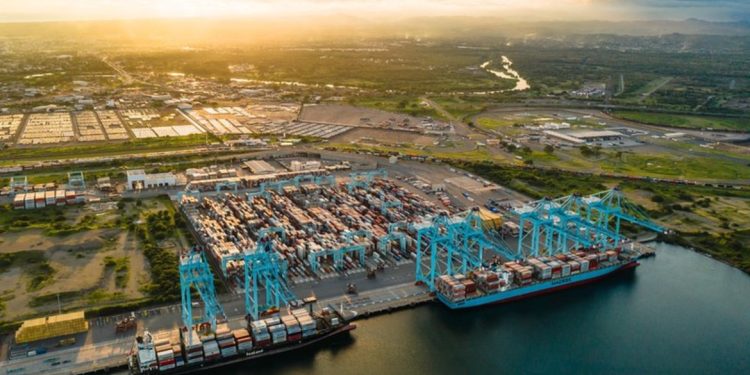
Global maritime trade is increasingly underpinned by private port infrastructure. Today, between 65% and 70% of world trade by volume flows through ports with full private participation or concession arrangements — representing between USD 14 and 16 trillion annually in cargo value. This concentration has positioned private operators as central pillars of the international commercial system.
Groups such as DP World, APM Terminals — which operates in Mexico — and PSA International each administer terminal networks that individually channel between USD 800 billion and USD 1.5 trillion in associated trade per year. These operations concentrate strategic sectors including automotive, energy, agribusiness, mining, advanced manufacturing, and high-value goods.
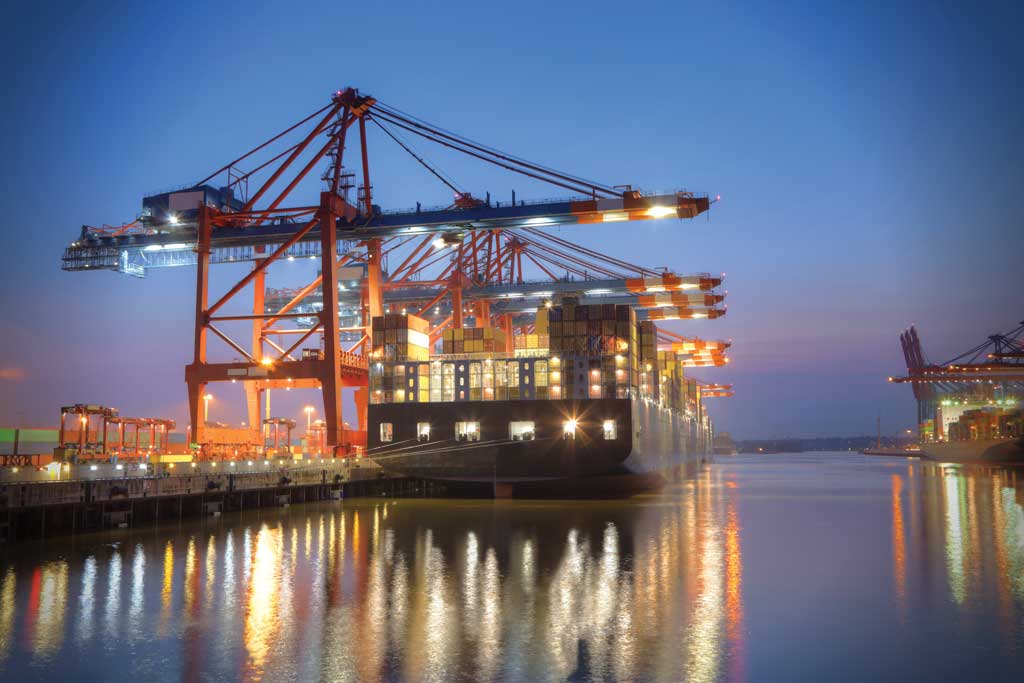
The sustained demand for private ports reflects clear operational logic. For shipping lines, manufacturers, and logistics operators, these terminals deliver logistical cost reductions of between 10% and 25%, driven by greater efficiency in loading, unloading, and ground coordination. On optimized regional routes, transit times shorten by as much as 30%, with more reliable schedules and markedly improved cargo traceability.
A growing number of industrial brands have integrated these ports directly into their logistics planning. Automotive companies establish assembly and distribution yards in close proximity to terminals; energy and commodities firms secure dedicated loading windows; global logistics operators concentrate inventories within private port zones to optimize both flows and working capital. These structural ties reinforce operational continuity and long-term planning horizons.
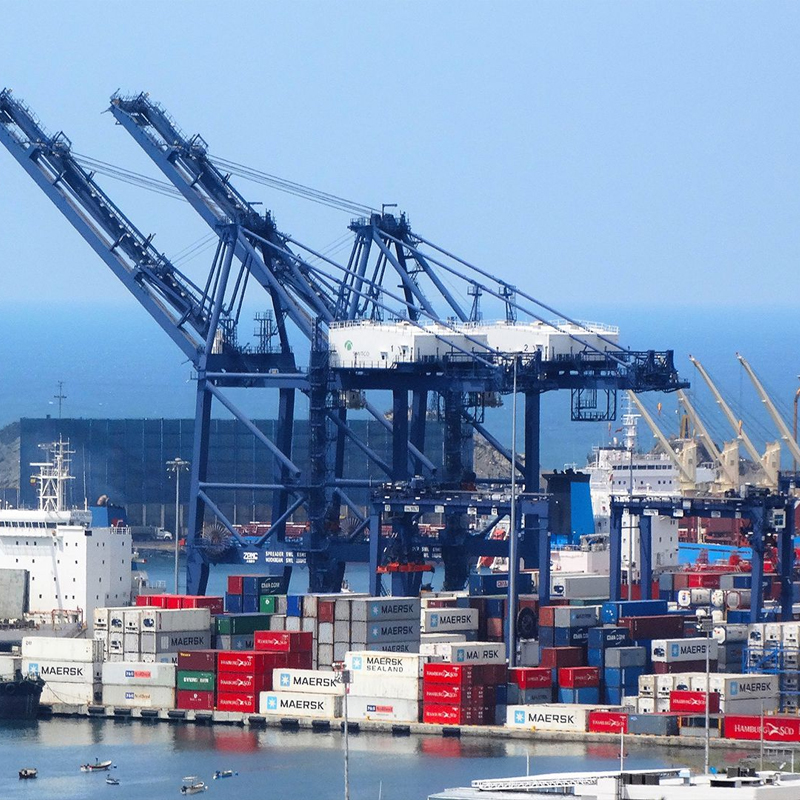
The expansion of private ports is quietly redrawing the dynamics of international trade. Their role as strategic infrastructure exerts direct influence over costs, transit times, and market access — making them a structural imperative for any enterprise operating at global scale.



 '
'