The Industrial Water Business: Infrastructure That Never Expires
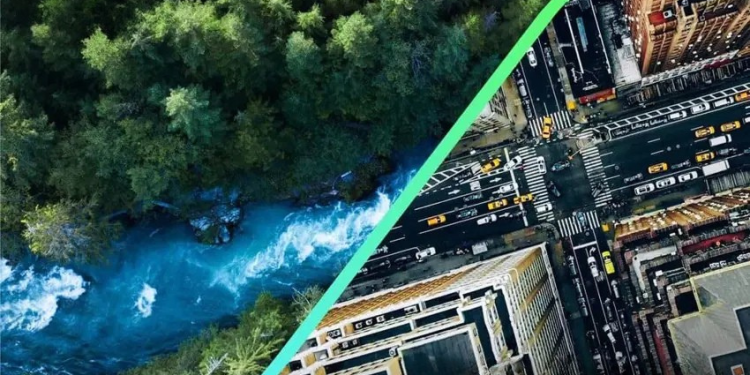
Industrial water is consolidating its role as strategic infrastructure within Mexico’s manufacturing expansion.
The growth of industrial parks and the arrival of new nearshoring facilities are driving demand for treatment, recycling, and reuse solutions built to specific technical standards.
The sector is anchored by global operators of considerable financial scale. Veolia posts annual global revenues of approximately $45 billion. Xylem reports around $8 billion. Ecolab surpasses $15 billion in annual sales. These companies bring advanced treatment systems, digital monitoring, and long-term industrial contracts to markets where water management has become a defining competitive variable.
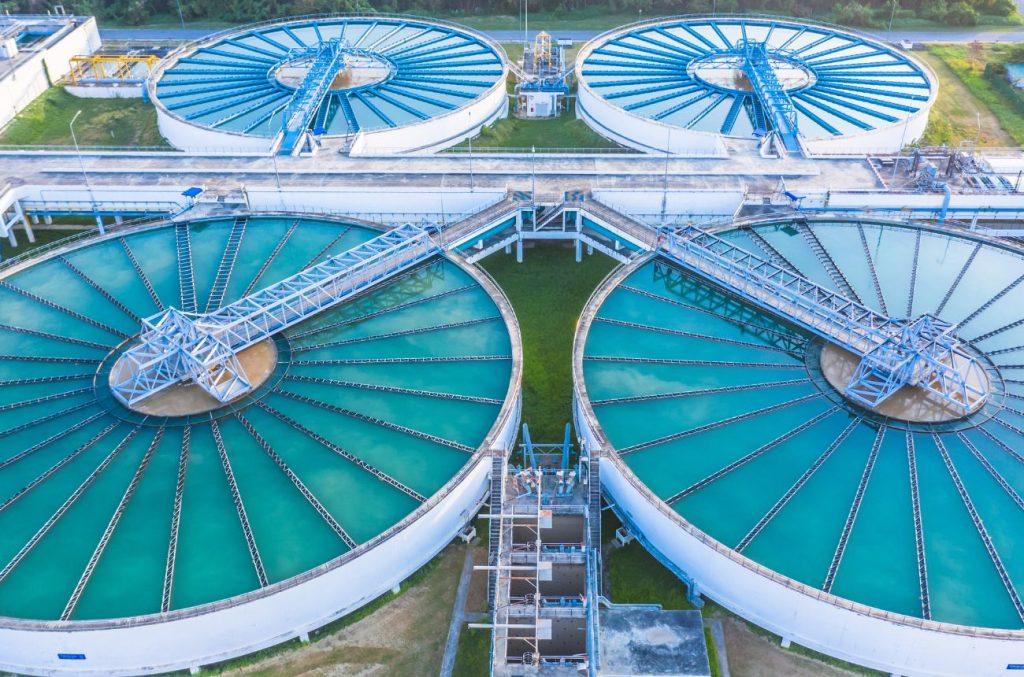
On the domestic front, Grupo Rotoplas generates revenues in the range of 15 billion pesos annually and is actively present in industrial corridors across northern Mexico and the Bajío — particularly in Nuevo León, Coahuila, Guanajuato, and Querétaro. Its business is concentrated in solutions for industrial parks, manufacturing plants, and large-scale urban developments, where it installs storage, treatment, and water reuse systems. The company operates under both private schemes and public-private contracts, integrating infrastructure, operations, and maintenance — with particular relevance in regions where water availability directly conditions new industrial investment.
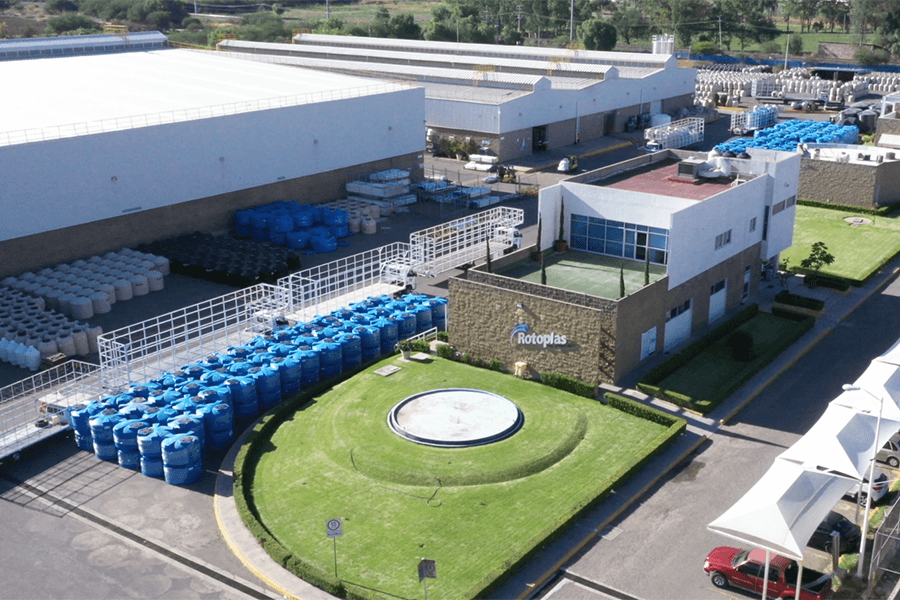
The global industrial water treatment market exceeds $300 billion annually, with sustained growth driven by environmental regulation, resource scarcity, and accelerating manufacturing expansion.
The financial model is structured around high initial investment and recovery through multi-year supply contracts. For institutional developers and investors, industrial water management represents an asset class tied to critical infrastructure, operational stability, and the environmental standards demanded by global production chains.
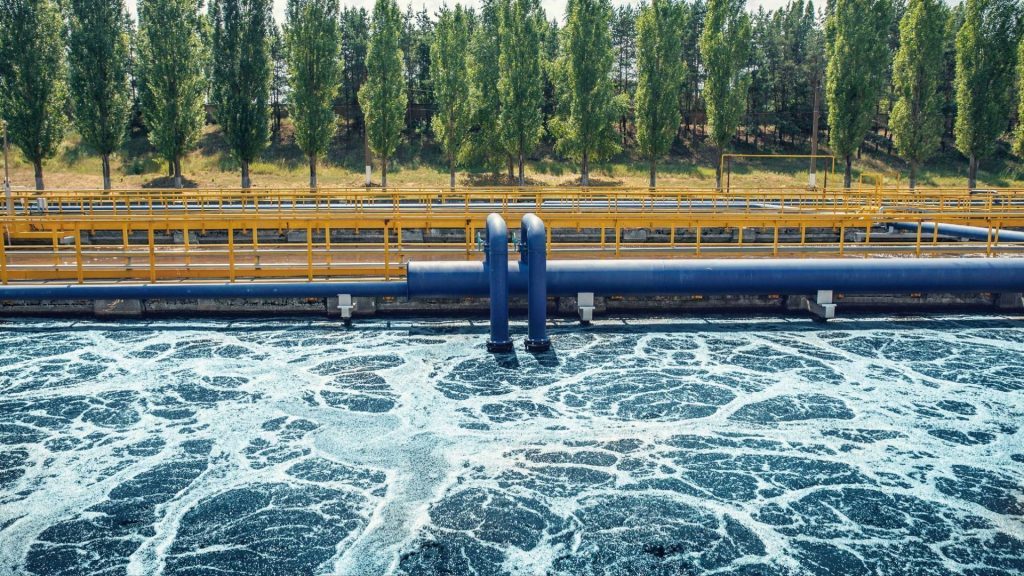
In an environment defined by manufacturing expansion and mounting pressure on water resources, industrial treatment and reuse have secured their place as structural — not cyclical — activities. This is a business that never expires, sustained by the permanent necessity of supply and by ever-stricter environmental regulation. Its growth tracks industrialization, urbanization, and productive relocation, cementing water infrastructure as a category in constant and durable expansion.


 '
'