Can a Car Drive Upside Down?
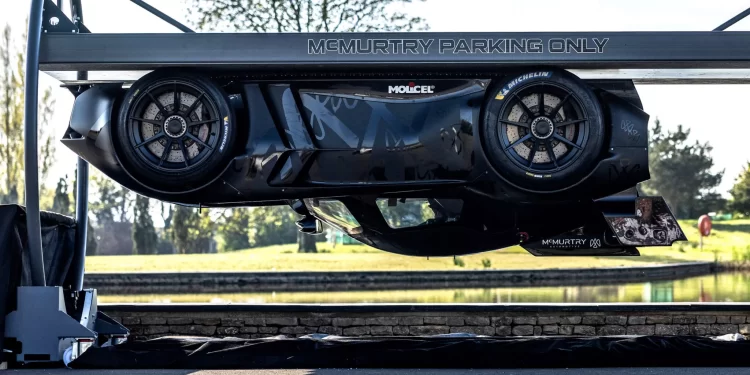
For decades, the idea of a car capable of driving inverted belonged more to theory than to reality. A concept debated in automotive engineering circles, cited for years within the Formula 1 paddock, and repeated as an extreme possibility of modern aerodynamics. Today, it is no longer hypothetical.
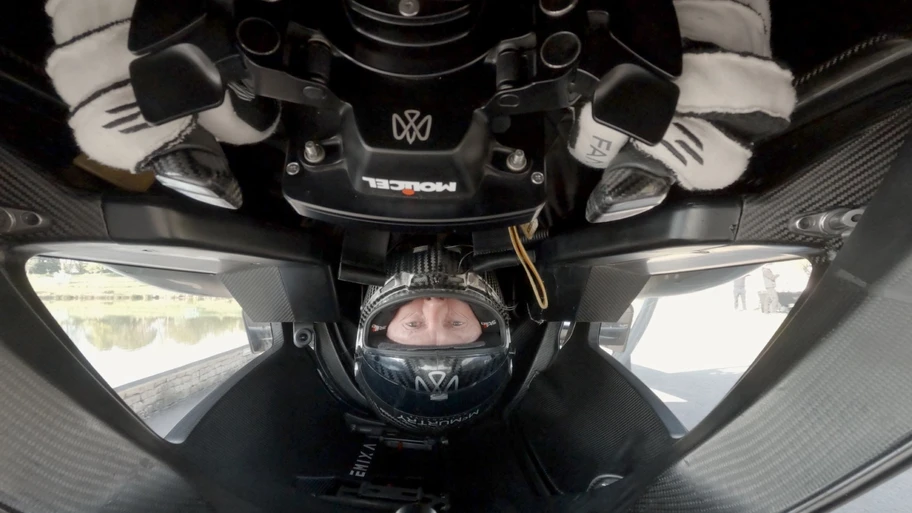
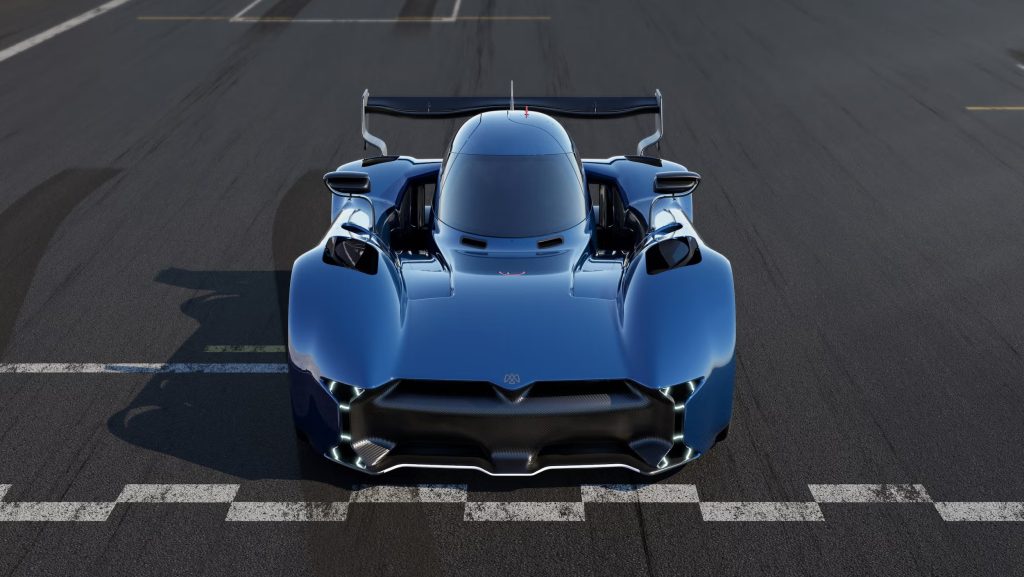
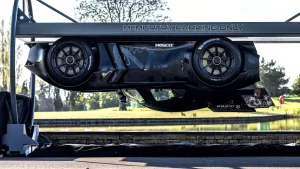
The protagonist is the McMurtry Spéirling, a British electric hypercar that recently drove upside down on a specially designed rotating platform — becoming the first vehicle to publicly execute this maneuver under controlled conditions.
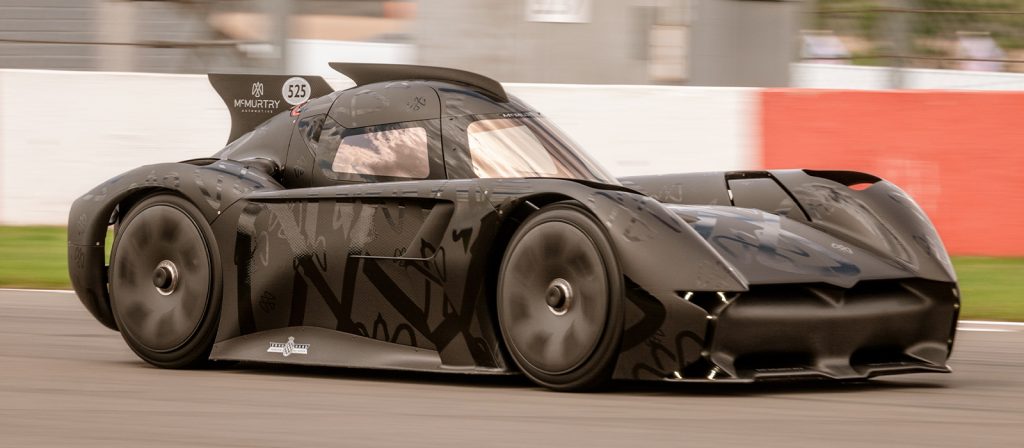
The feat is made possible by a patented fan system capable of generating up to 2,000 kilograms of aerodynamic downforce even at a standstill — a figure sufficient to adhere the vehicle to a surface through pure aerodynamic pressure. A technical demonstration that places the model in a category of its own within high-performance engineering.
But behind the spectacle lies a far more ambitious proposition.
The Spéirling produces close to 1,000 horsepower, weighs less than 1,000 kilograms, and reaches speeds exceeding 300 kilometers per hour, with a 0-to-100 km/h time of just 1.5 seconds. Its performance has already shattered records at venues such as the Goodwood Festival of Speed and Laguna Seca, establishing it as one of the most radical track-focused vehicles in existence.
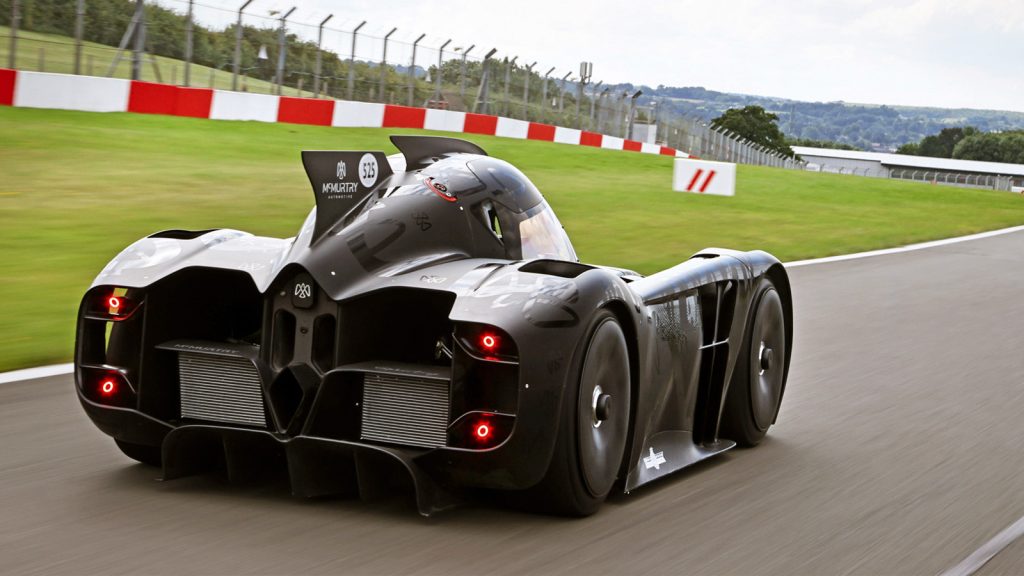
Its exclusivity matches its technical ambition: only 100 units of the Spéirling PURE will be produced, each carrying a starting price of approximately £995,000 — equivalent to more than 25 million Mexican pesos before taxes and bespoke configuration.
Beyond its limited production run, the project reveals the British firm’s broader ambition: to build not a conventional hypercar, but a collectible piece of engineering destined for those who understand motorsport as the intersection of innovation, technology, and extreme exclusivity.
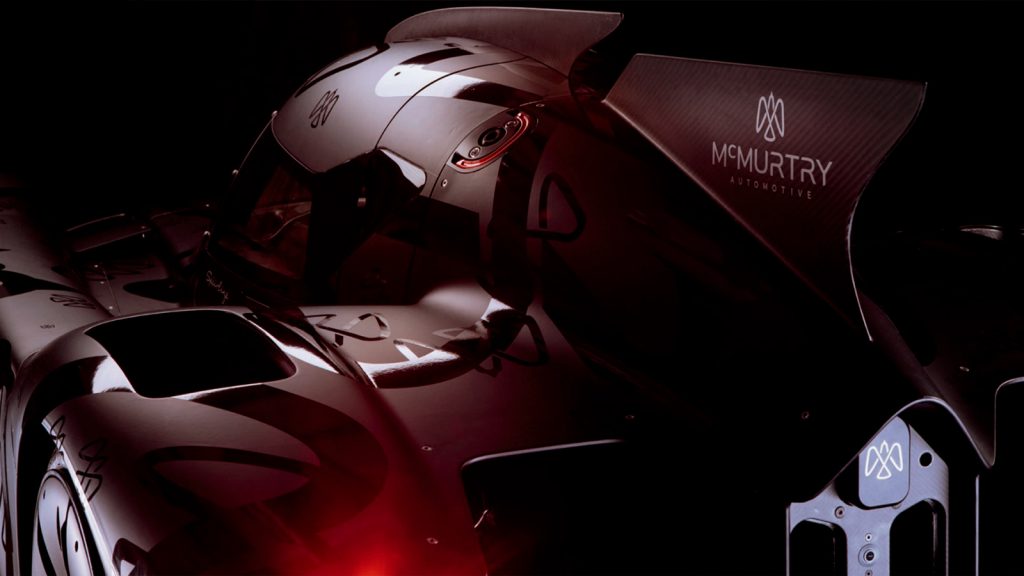
In an industry where much of the conversation has shifted toward digitalization, virtual assistants, and mass electrification, McMurtry chose a different path: proving that the future can also be built from the laws of physics.
Because driving a car upside down is not merely a viral stunt — it is a declaration of technological capability.


 '
'