The Diplomacy of Smoke: Cigar Lounges and Strategic Networking

Within the rarefied upper echelons of contemporary power, cigar lounges have emerged as the last bastions of the strategic pause. This is not merely high-end hospitality — it is the preservation of an ecosystem where privacy and the ritual of premium tobacco act as catalysts for negotiations that demand a rigor the boardroom simply cannot provide.
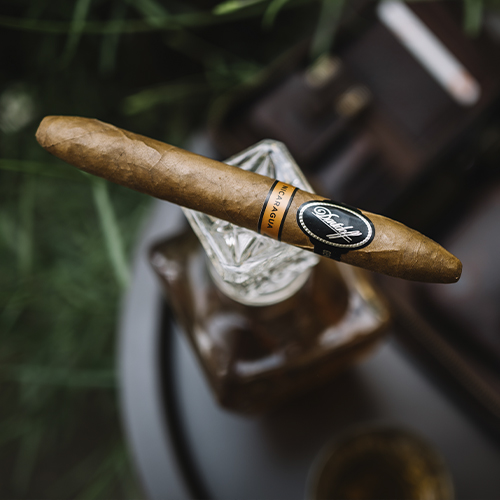
The cigar has served as a mark of distinction in financial and diplomatic circles since the 19th century. Today, that heritage translates into a business model of extraordinary resilience. Habanos S.A. has reported revenues of $827 million — a 16% increase that outpaces the global luxury market average. This financial performance underscores that ceremonial consumption is not an ephemeral trend but an industry firmly anchored in status and discernment.
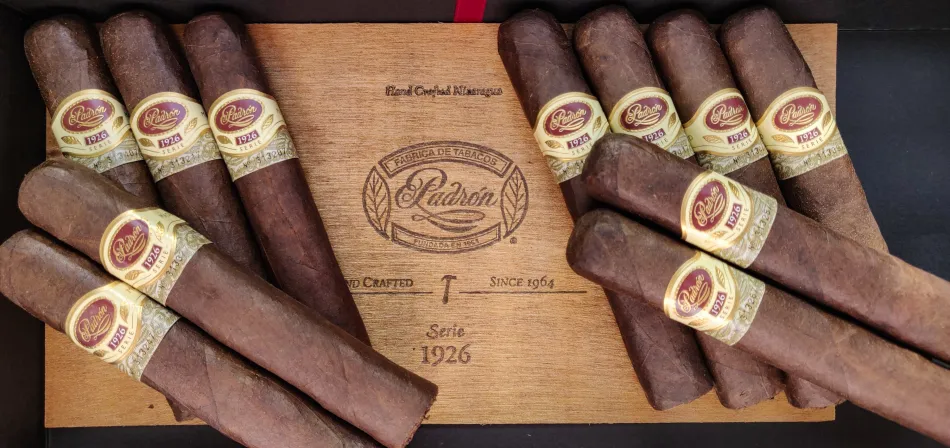
Mexico plays a leading role on this map of influence. Since the opening in Cancún of the world’s first Casa del Habano in 1990, the country has built a luxury infrastructure across key nodes such as Mexico City, Guadalajara, and Monterrey. Complementing this specialized retail network is the prestige of tobacco from San Andrés Tuxtla, Veracruz — a leaf that has become a critical input for premium manufacturing worldwide.
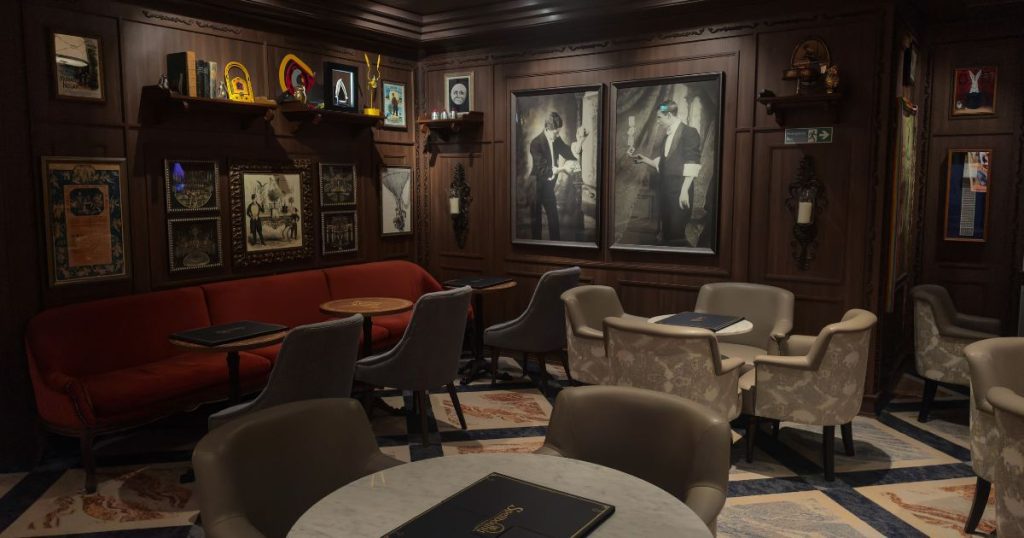
Venues such as the historic Sisimbro tobacconist in Italy — the world’s first Habanos Lounge — confirm that the success of these spaces resides in their capacity to offer absolute discretion. Within these sanctuaries, networking sheds its urgency and assumes the cloak of patience. For the senior executive, the cigar lounge is not a place of leisure — it is the stage where, amid vitolas and fine spirits, the deals that will define the market’s coming quarters are quietly sealed.



 '
'